
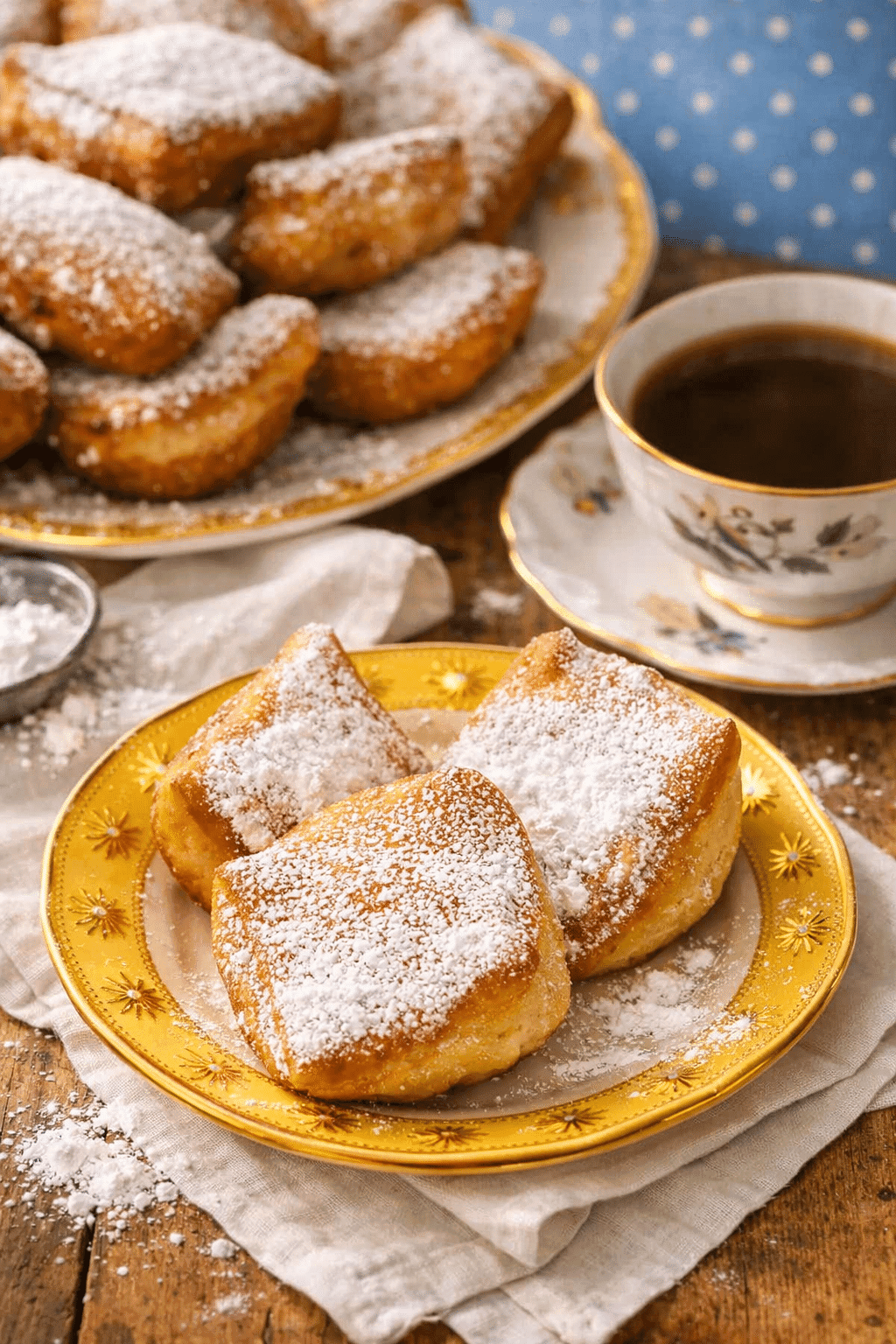
Beignets Recipe traditions always take me back to mornings when I want something warm, sweet, and comforting without overthinking it. Beignets are soft, airy, and lightly crisp on the outside, with a tender center that melts as soon as you bite in.
I make this Beignets Recipe at home when my family wants a special breakfast that feels bakery-worthy but still relaxed enough for pajamas and coffee refills, especially on mornings when we also enjoy something baked and cozy like these blueberry scones from Recipes Preppy.
I tested this Beignets Recipe many times to keep the texture light without turning greasy or dense. Every batch fills the kitchen with that familiar fried-dough aroma that signals comfort, joy, and a treat worth slowing down for. It pairs perfectly with other cozy recipes you’ll find on Recipes Preppy
You’ll love this recipe because it delivers airy centers, crisp edges, and steady results without fuss. The dough mixes smoothly, fries evenly, and forgives small timing slips. Light sweetness keeps each bite balanced.
This recipe fits breakfast, dessert, or sharing with friends. Fresh batches finish fast, dust beautifully, and pair perfectly with coffee, cocoa, or chicory, making weekends feel festive and comforting at home every single time using simple pantry staples.
Table of Contents
Key Ingredients
A reliable Beignets Recipe depends on simple ingredients that work together to create a soft, airy dough with a delicate golden crust. Each one plays a specific role, so understanding them helps you get consistent results.
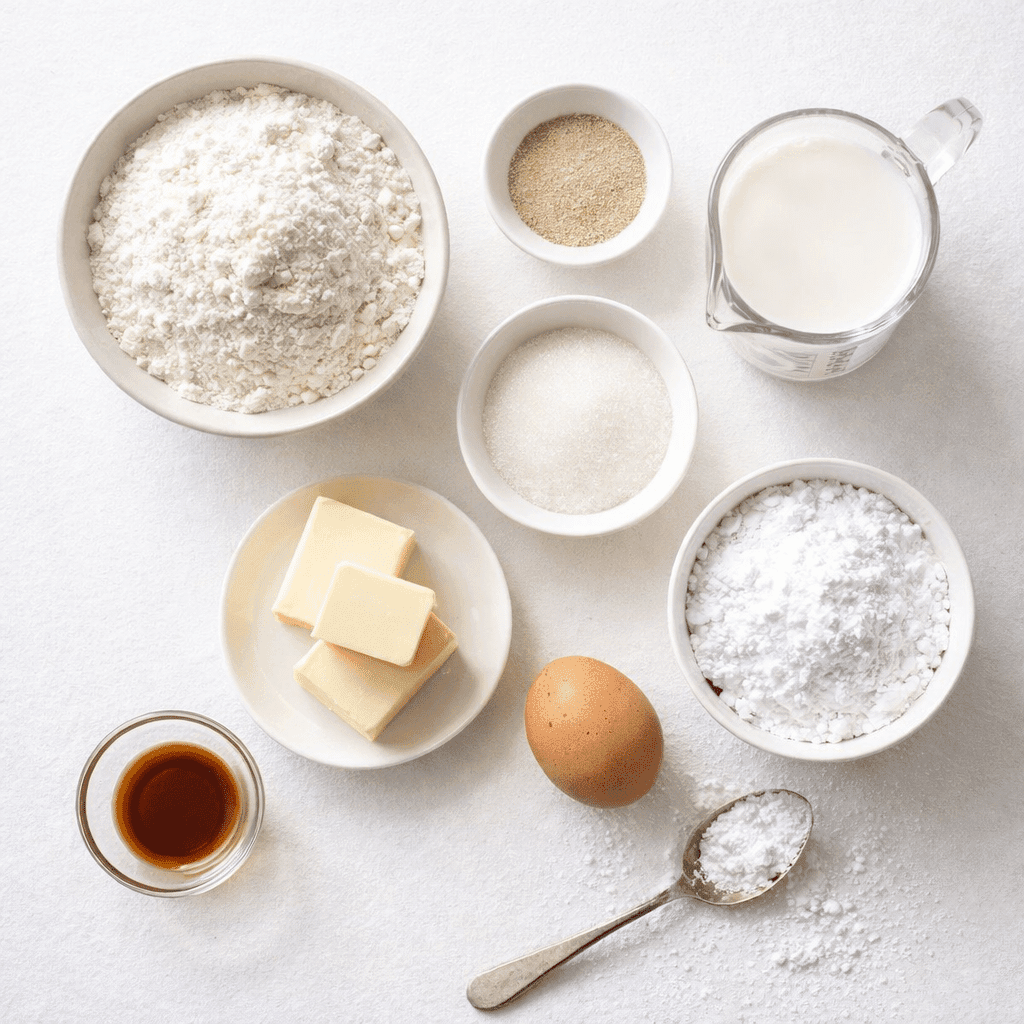
Water – Warm water starts everything. It activates the yeast and creates the right environment for the dough to rise. The water should feel comfortably warm to the touch, never hot, so the yeast stays active.
Active Dry Yeast – Yeast gives beignets their signature lift. As it feeds on sugar, it creates air pockets that turn into that light, pillowy interior once fried.
Granulated Sugar – Sugar supports the yeast and adds subtle sweetness. It also helps the dough brown evenly in the oil, which gives beignets their inviting color.
Milk – Whole milk or evaporated milk adds richness. It softens the dough and balances the structure so the beignets stay tender instead of chewy.
Egg – The egg brings stability and richness. It helps the dough hold its shape during frying while keeping the inside soft and fluffy.
Butter – Butter enriches the dough and improves flavor. It also contributes to a smoother texture, which makes rolling and cutting easier.
All-Purpose Flour – Flour forms the backbone of this Beignets Recipe. It provides structure while still allowing the dough to remain soft and slightly sticky.
Salt – Salt balances sweetness and strengthens the dough, improving texture and overall flavor.
Together, these ingredients create a dependable dough that fries up light, golden, and comforting every single time.
Why are my beignets dense instead of light and puffy?
Dense beignets usually mean the dough did not rise enough or the oil temperature dropped too low. This Beignets Recipe relies on active yeast and proper proofing to create air pockets. Let the dough double fully before cutting, even if it takes longer than expected. Also, keep the oil steady around frying temperature and avoid overcrowding the pot. Frying too many pieces at once cools the oil fast, which prevents proper puffing. With patience and steady heat, the beignets turn out soft, airy, and golden.
Pro Tips for Success
• Keep the dough slightly sticky. This Beignets Recipe works best when the dough feels soft and tacky rather than dry. A sticky dough traps air better, which leads to lighter beignets after frying.
• Give the dough enough rise time. Let it fully double in size before rolling. Rushing this step limits air development and leads to heavier results.
• Flour the surface, not the dough. Use just enough flour to prevent sticking while rolling. Too much flour worked into the dough can make the beignets firm.
• Roll evenly to control texture. Aim for an even thickness so every piece fries at the same pace. Uneven dough causes some beignets to brown too fast while others stay pale.
• Watch the oil temperature closely. Steady heat helps the beignets puff quickly and brown evenly. Oil that runs too cool causes greasy dough, while oil that runs too hot browns the outside before the inside cooks.
• Fry in small batches. Adding only a few pieces at a time keeps the oil temperature steady and helps each beignet expand properly.
• Dust with sugar while warm. Powdered sugar sticks best when the beignets come straight from the fryer, creating that classic finish everyone expects from a good Beignets Recipe.
How to Make Beignets Recipe
This Beignets Recipe comes together in clear stages. Follow the steps in order, keep the dough relaxed, and you’ll get soft, puffy beignets with crisp edges.
1. Activate the yeast
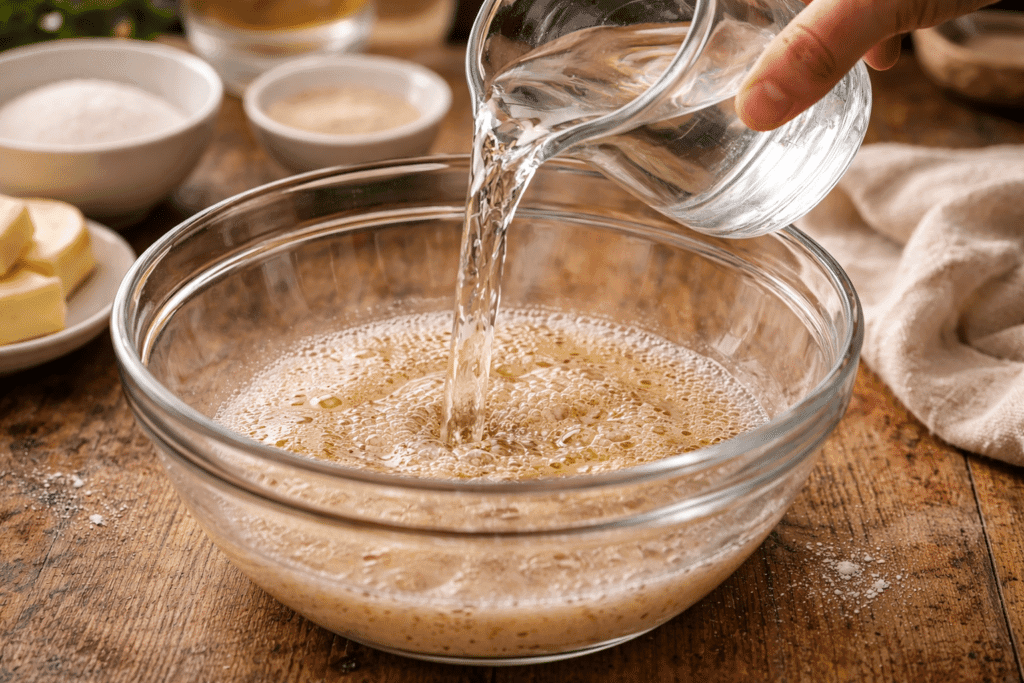
Pour the warm water into a mixing bowl. Add the yeast and half of the sugar, then stir gently. Let it rest until the surface turns foamy. This step tells you the yeast is alive and ready to work, which sets the foundation for a light dough.
2. Build the base mixture
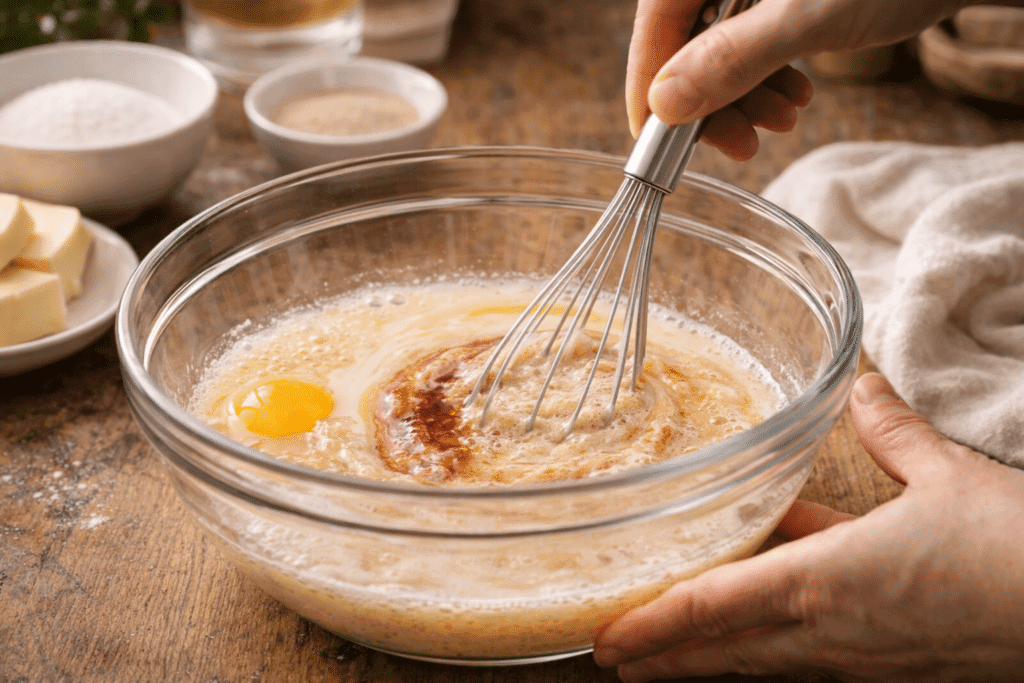
Add the milk, vanilla, remaining sugar, and egg to the yeast mixture. Whisk until smooth, then mix in the first portion of flour. At this stage, the batter should look thick but silky, with no dry pockets.
3. Form the dough
Switch to a dough hook or sturdy spoon. Add the remaining flour and salt, then mix until the dough comes together. Drop in the butter one piece at a time while mixing. The dough will look sticky and soft, which is exactly what this Beignets Recipe needs.
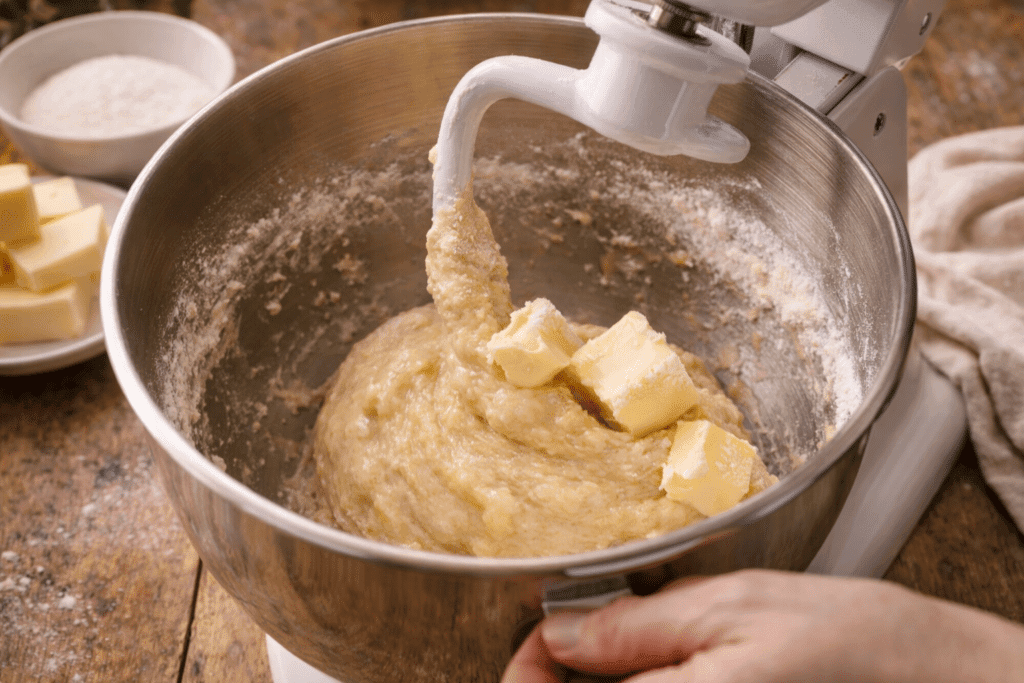
4. Knead until smooth
Continue mixing until the dough looks elastic and slightly pulls from the sides of the bowl. It should feel tacky but not cling to your finger. Add a small amount of flour only if it feels overly wet.
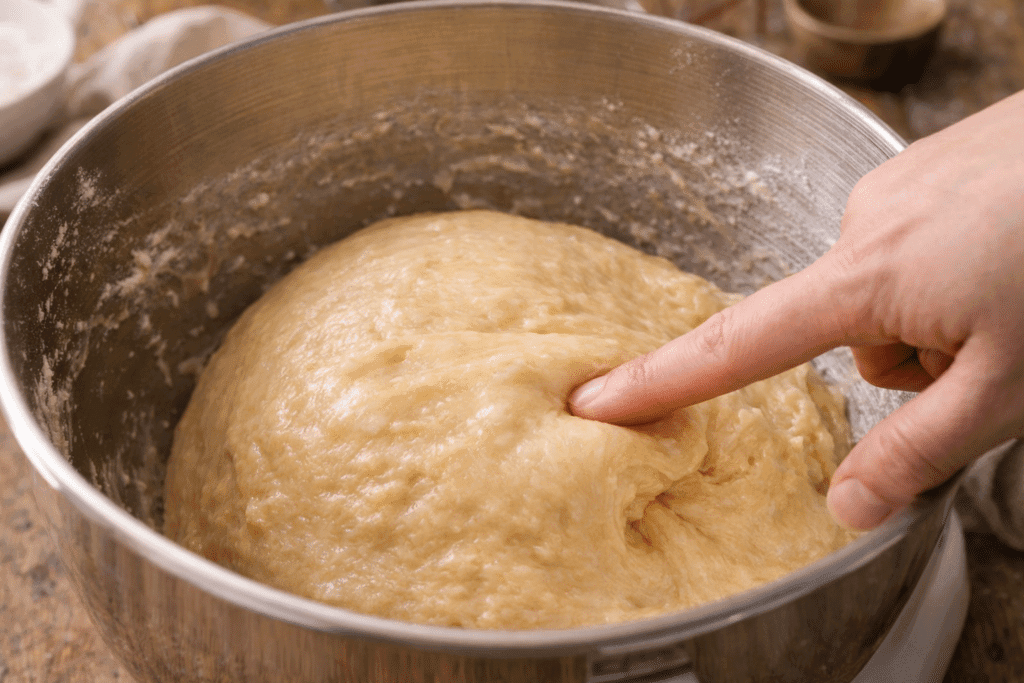
5. Let the dough rise
Transfer the dough to a lightly oiled bowl and cover it. Let it rise until doubled in size. This rise creates the air pockets that give beignets their signature puff once they hit the oil.
you’ll also love the step-by-step process used in these cinnamon rolls, which rely on the same soft, enriched dough technique
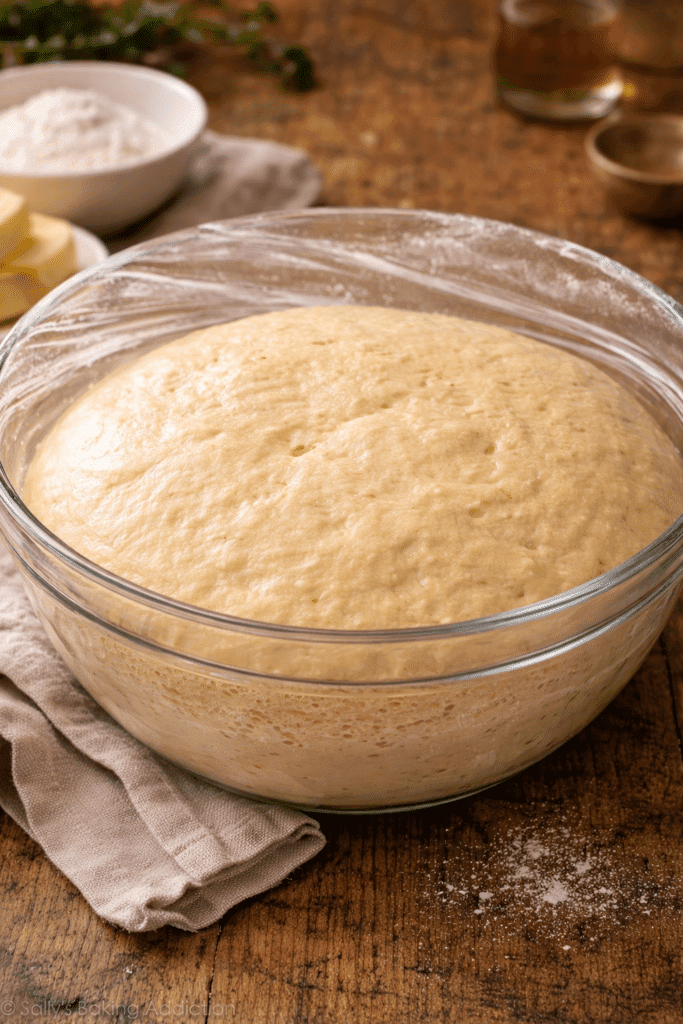
6. Prepare for frying
Heat oil in a deep pot and line a cooling rack with paper towels. Keep the oil steady at frying temperature so the dough expands quickly instead of soaking up oil.
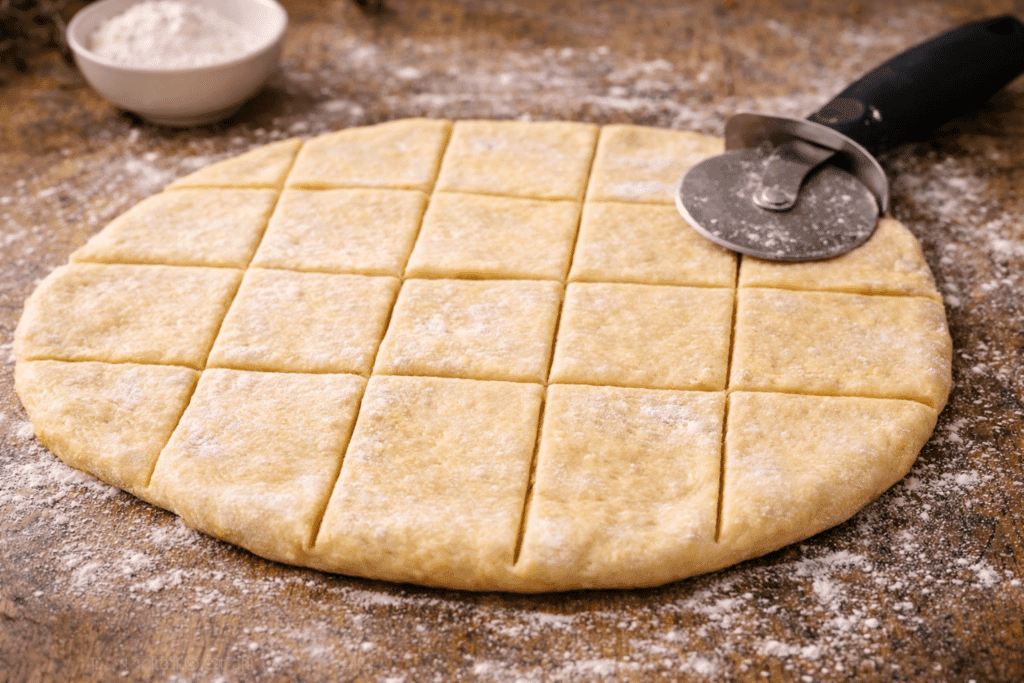
7. Roll and cut
Roll the risen dough on a floured surface to an even thickness. Cut into squares using a pizza cutter. Clean cuts help the beignets puff evenly.
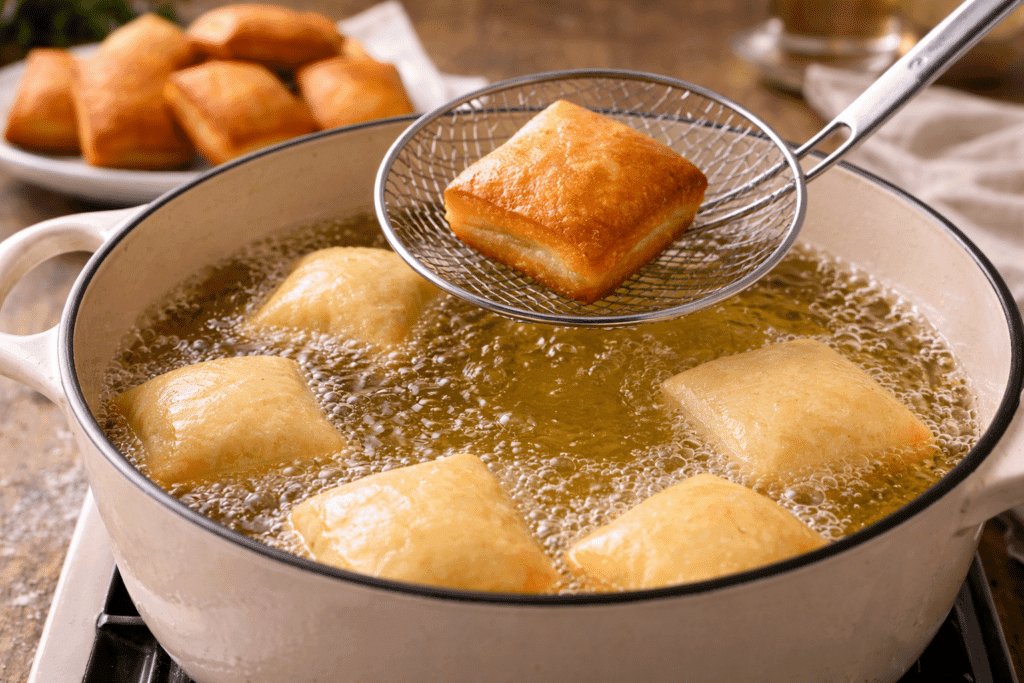
8. Fry and finish
Fry a few pieces at a time, turning once they puff and brown. Remove, drain briefly, then dust generously with powdered sugar while warm. This final step completes the classic Beignets Recipe texture and flavor.
Serving Suggestions
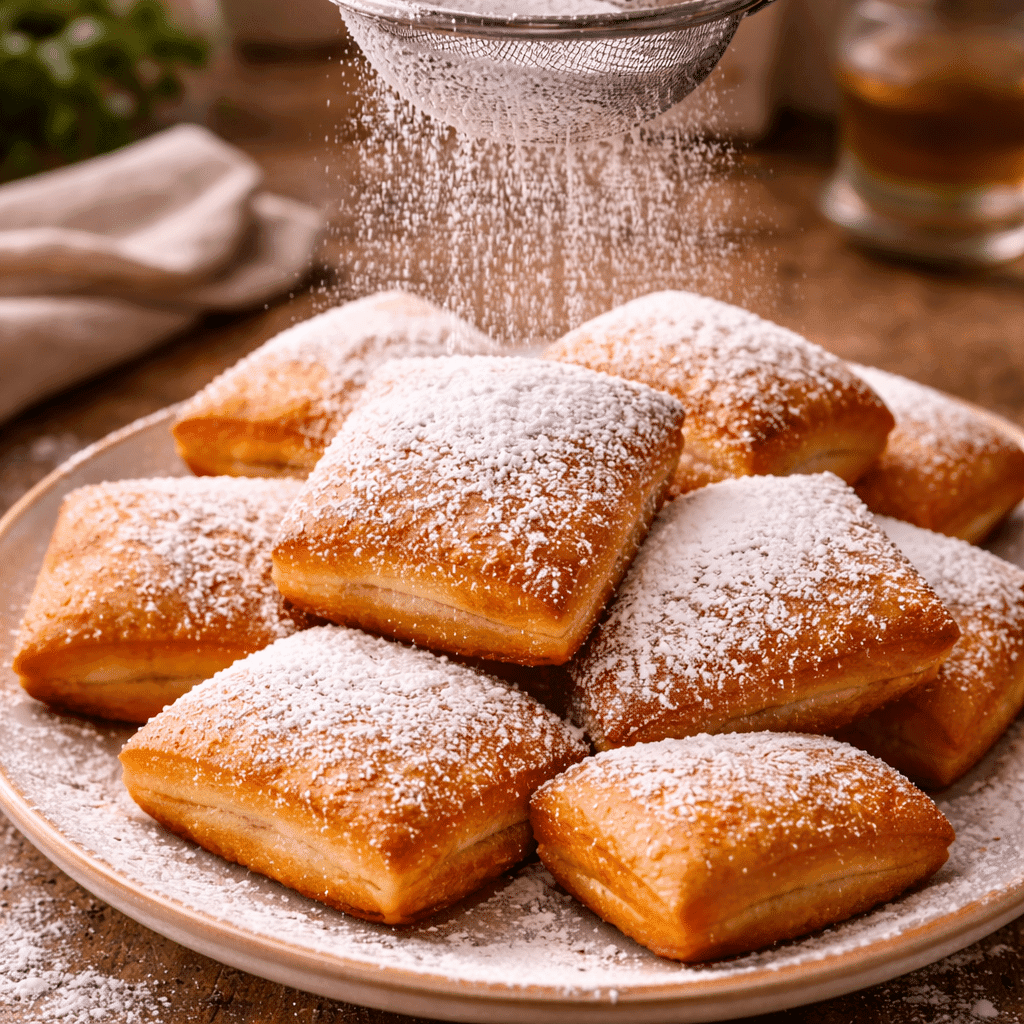
This Beignets Recipe tastes best served warm, right after frying, when the centers stay soft and the edges feel lightly crisp. Dust generously with powdered sugar and serve on a large platter so everyone can grab one easily. Beignets pair perfectly with hot coffee, café au lait, or a simple glass of milk for kids. I love serving them for relaxed weekend breakfasts, brunch gatherings, or casual dessert nights at home. They also work beautifully alongside other breakfast treats or simple fruit for balance, making this Beignets Recipe feel special without extra effort.
Storage & Make-Ahead Tips
This Beignets Recipe tastes best fresh, but you can still plan ahead with a few smart steps. If serving the same day, keep fried beignets at room temperature for several hours without covering them tightly, which helps maintain their texture. For make-ahead prep, refrigerate the dough after mixing and let it slowly rise overnight. Bring it back to room temperature before rolling and frying. Avoid storing fried beignets in the refrigerator, as cold air makes them firm. Freezing works better with raw dough squares, which you can thaw, proof briefly, and fry when ready.
Sienna’s Touch
Making this Beignets Recipe always brings warmth into my kitchen, especially when my girls hover nearby waiting for the first dusting of sugar. I hope these beignets bring that same comfort and joy to your home. Share them, enjoy them fresh, and make the moment slow and sweet.
Frequently Asked Questions About Beignets
What do beignets taste like?
Beignets taste lightly sweet with a soft, airy center and a gently crisp outside. This Beignets Recipe creates a texture that feels pillowy rather than bready. The flavor stays mild and comforting, which lets the powdered sugar shine without overwhelming each bite.
What is the difference between a doughnut and a beignet?
The main difference comes down to texture and shape. Doughnuts usually have a tighter crumb and defined form, while beignets feel looser, lighter, and more irregular. This Beignets Recipe produces a square, yeast-raised pastry that puffs dramatically when fried, giving it a more delicate bite.
What are beignets made of?
Beignets are made from an enriched yeast dough that includes flour, yeast, sugar, milk, egg, butter, and salt. This combination creates a soft dough that fries quickly and evenly, which defines the classic result of a proper Beignets Recipe.
What is the English name for beignet?
In English, beignets are often called “French doughnuts” or “fried dough pastries.” While the name changes, the experience stays the same—warm, fluffy, and dusted generously with sugar.
Beignets Recipe

Soft, airy beignets with crisp edges and a classic powdered sugar finish, perfect for breakfast or dessert.
- Prep Time: PT20M
- Cook Time: PT20M
- Total Time: PT2H40M
- Yield: 24 beignets 1x
- Category: Dessert
- Method: Frying
- Cuisine: French
Ingredients
¾ cup warm water
½ cup granulated sugar
2¼ teaspoons active dry yeast
1 large egg
½ cup whole milk or evaporated milk
2 teaspoons vanilla extract
3¾ to 4 cups all-purpose flour
1 teaspoon salt
3 tablespoons unsalted butter
Oil for frying
Powdered sugar
Instructions
Step 1: Add warm water, yeast, and half the sugar to a bowl and let it foam
Step 2: Whisk in milk, vanilla, remaining sugar, and egg
Step 3: Mix in part of the flour until smooth
Step 4: Add remaining flour, salt, and butter to form soft dough
Step 5: Let dough rise until doubled in size
Step 6: Roll dough out and cut into squares
Step 7: Fry in hot oil until puffed and golden
Step 8: Dust warm beignets with powdered sugar
Notes
Beignets taste best served warm. Dust with powdered sugar just before serving for the classic finish.
Nutrition
- Serving Size: 1 beignet
- Calories: 180
- Sugar: 10g
- Fat: 9g
- Carbohydrates: 22g
- Protein: 3g
Keywords: Beignets Recipe