
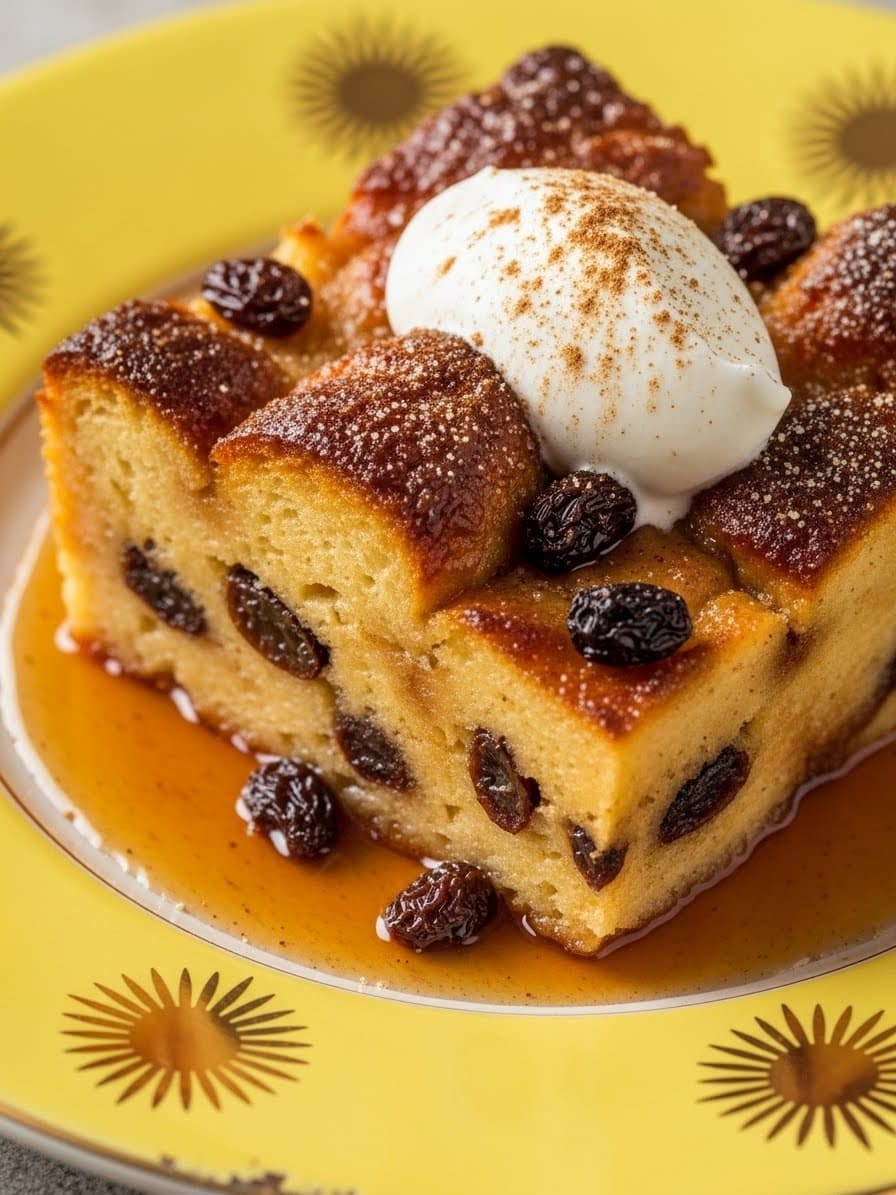
Bread pudding has always been one of my favorite comfort desserts. I first fell in love with it in my mother’s Los Angeles kitchen, where nothing ever went to waste. Whenever we had leftover brioche or challah, she’d turn it into a warm, custardy bread pudding with golden edges and a silky vanilla aroma that filled the house. Today, I make this same classic dessert for my family, especially on cozy weekends or after big dinners.
This bread pudding recipe is simple yet rich—every bite is soft in the middle with a perfectly caramelized top. You don’t need fancy ingredients, just a few pantry staples and some stale bread. The vanilla sauce adds a creamy sweetness that makes every serving irresistible. It’s one of those desserts that feels like home, and once you try it, you’ll understand why it’s a timeless classic.
Why You’ll Love This Recipe
- It transforms simple ingredients into a decadent dessert.
- The vanilla sauce makes every bite smooth and rich.
- Uses stale bread—zero waste, maximum flavor.
- Perfect for any season and easy to customize with nuts, raisins, or chocolate.
- Bakes in under an hour for a warm, family-friendly treat.
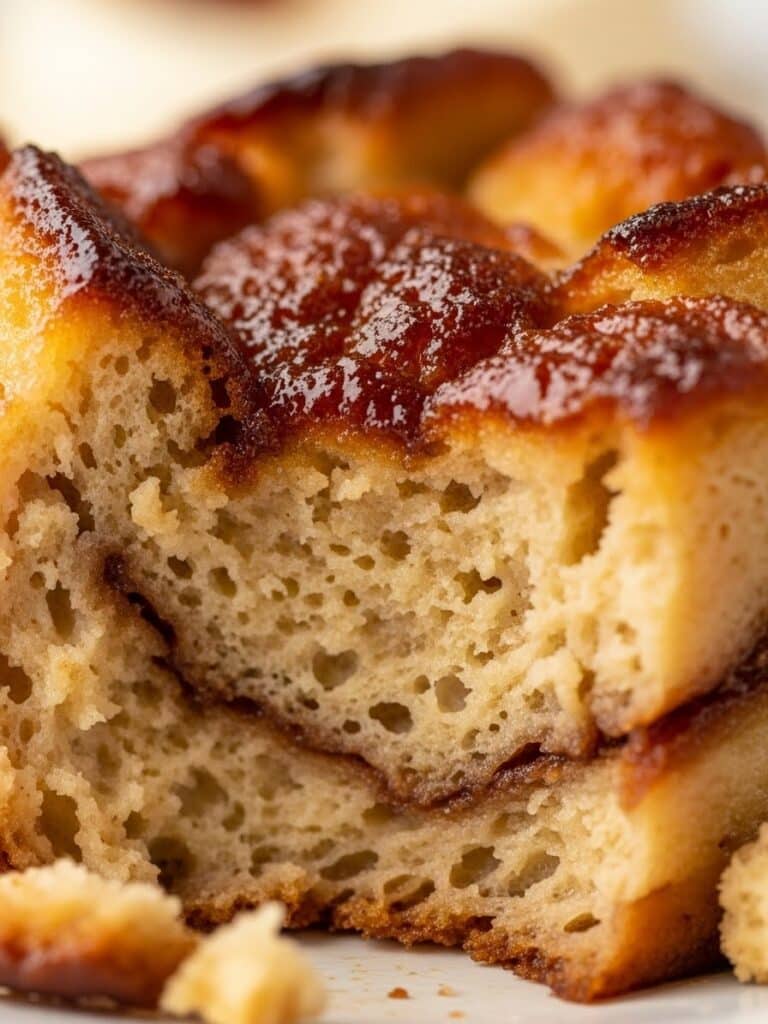
Table of Contents
Key Ingredients for Bread Pudding
The beauty of this classic bread pudding lies in how simple ingredients combine to create something extraordinary. Every element contributes to its rich, custardy texture and cozy aroma that fills your kitchen while it bakes.
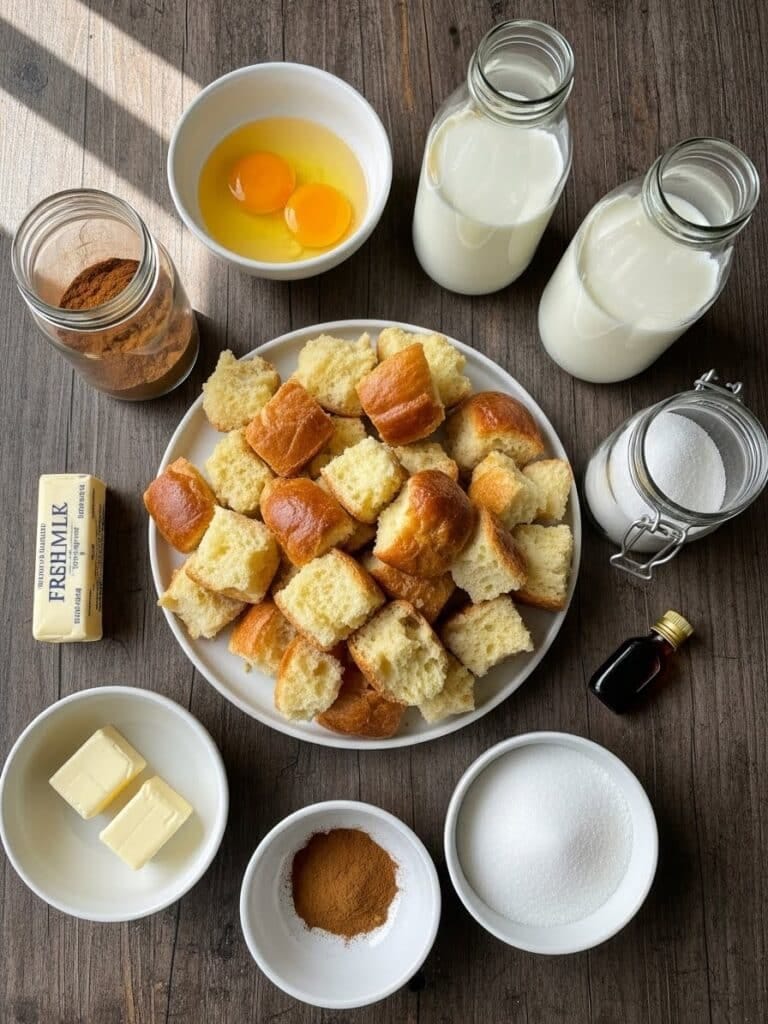
Stale Bread: The foundation of any good bread pudding. Use slightly dried-out brioche, challah, or French bread—these varieties soak up the custard perfectly without turning mushy. Day-old bread ensures a soft interior and golden, crisp top.
Whole Milk: The key to a silky-smooth custard base. It blends with the eggs and sugar to form a luscious mixture that holds the bread together beautifully. You can also swap half for heavy cream if you want extra richness.
Eggs: Essential for structure and that irresistible, custard-like bite. They thicken the milk and sugar mixture as it bakes, ensuring the pudding stays firm yet tender.
Butter: Adds depth, flavor, and a delicate buttery aroma that enhances the bread’s natural sweetness. Melted butter also helps keep the pudding moist.
Sugar: A mix of granulated sugar in the pudding and brown sugar in the vanilla sauce provides balanced sweetness and a subtle caramel undertone.
Vanilla and Cinnamon: These classic baking staples infuse warmth and fragrance, turning every bite into pure comfort.
Salt: Just a pinch enhances all the other flavors, preventing the dessert from tasting flat.
Why is my bread pudding soggy or watery?
One of the most common bread pudding issues comes down to too much liquid or not enough stale bread. When the bread is too fresh, it doesn’t absorb the custard properly, leaving the center wet instead of creamy. Always use day-old bread or dry it slightly in the oven before mixing. Let the bread soak until just saturated, not drenched. Also, bake at the recommended temperature—350°F—until the top is golden and the center feels set. Following these steps ensures a custardy interior and crisp, golden edges every time.
Pro Tips for Success
Getting bread pudding just right is about balancing creaminess and structure. Follow these tried-and-true tips to bake a dessert that’s soft inside, crisp on top, and bursting with rich vanilla flavor.
1. Use the Right Bread Texture.
Opt for firm, slightly stale bread like challah, brioche, or French loaf. Avoid soft sandwich bread—it can fall apart and make your pudding mushy.
2. Soak, Don’t Drown.
Let the bread soak in the custard mixture for 20–30 minutes. This allows every piece to absorb flavor without oversaturating, which leads to a perfect custard-like consistency.
3. Cool the Milk Mixture Before Adding Eggs.
Hot milk can scramble your eggs. Let it cool to warm before whisking them in to maintain a smooth custard base.
4. Add Texture Boosters.
Fold in raisins, chocolate chips, or chopped nuts for extra flavor. These additions give every bite more depth.
5. Bake Until Just Set.
The bread pudding is ready when the top is golden and a knife inserted in the center comes out clean. Overbaking can make it dry, so keep an eye around the 40-minute mark.
6. Serve with Warm Sauce.
Pour vanilla or caramel sauce over the pudding while it’s warm—this enhances moisture and sweetness.
7. Rest Before Serving.
Let the pudding cool for 10 minutes to allow the custard to finish setting.
How to Make Bread Pudding
Making homemade bread pudding is simpler than you might think. With a few pantry staples and some stale bread, you’ll create a cozy dessert that tastes like it came from a favorite bakery.
Step 1: Preheat and Prepare.
Start by preheating your oven to 350°F (175°C). Lightly butter an 8-inch square baking dish—this helps the pudding release easily and adds flavor. Cut six cups of stale bread (brioche or challah works best) into 2-inch cubes and place them evenly in the dish.
Step 2: Create the Custard.
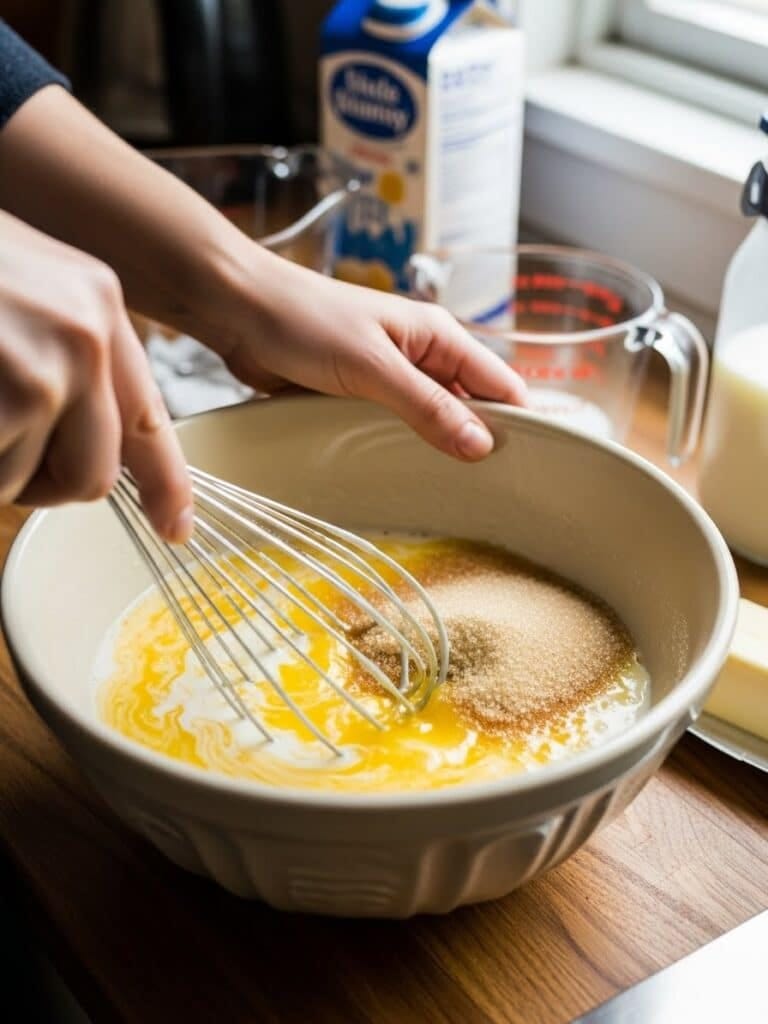
In a saucepan, combine milk, sugar, butter, cinnamon, and salt over medium heat. Stir until the butter melts completely, then remove from heat and let cool for about 10 minutes. Whisk in the eggs one at a time, followed by the vanilla extract.
Step 3: Combine and Soak.
Pour the custard evenly over the bread cubes, pressing lightly to ensure every piece absorbs the liquid. Let it rest for 20–30 minutes—this step gives your bread pudding its soft, creamy interior.
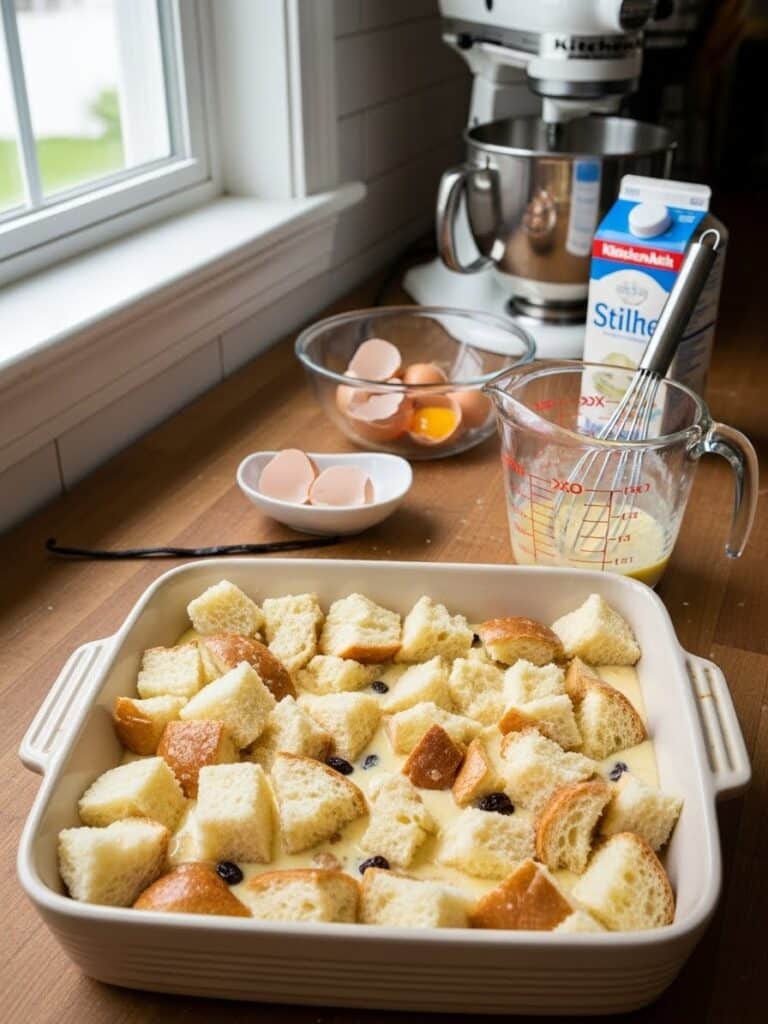
Step 4: Bake to Perfection.
Bake for 40–45 minutes, or until the top is golden brown and a knife inserted into the center comes out clean. The pudding should be set but still slightly wobbly in the middle.
Step 5: Make the Vanilla Sauce.
While baking, combine milk, cream, sugar, and butter in a saucepan and bring to a gentle steam. Stir in cornstarch dissolved in water (or a splash of bourbon for a boozy kick). Cook until thickened, then remove from heat and stir in vanilla.
Serving Suggestions
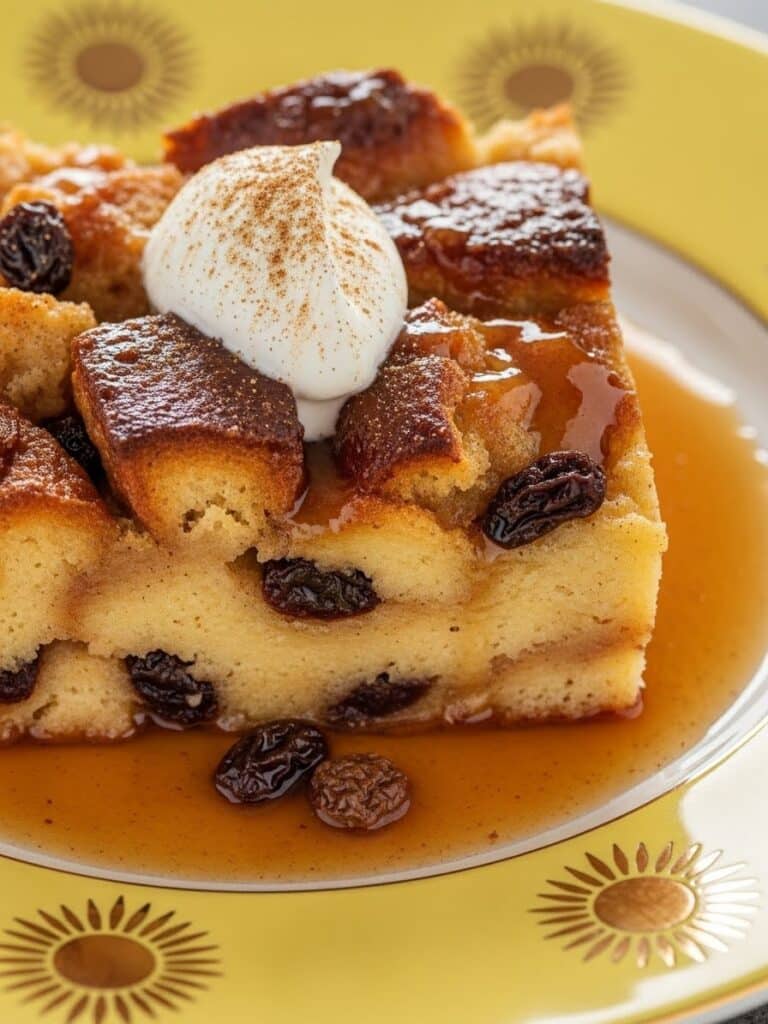
Bread pudding is best served warm, straight from the oven, when the custard is soft and the edges are slightly crisp. For a comforting dessert, drizzle the warm vanilla sauce generously over each slice and add a scoop of Homemade Vanilla Ice Cream on the side. For brunch, pair it with fresh berries and a dusting of powdered sugar. You can also turn it into a holiday showstopper by topping it with Salted Caramel Sauce or a spoonful of whipped cream for extra indulgence.
Storage & Make-Ahead Tips
One of the best things about bread pudding is that it tastes just as good the next day—sometimes even better. To store leftovers, let the pudding cool completely, then cover tightly or transfer to an airtight container. It will keep in the refrigerator for up to 4 days. Reheat individual portions in the microwave or warm the whole dish in a 300°F oven for 10–15 minutes. For longer storage, freeze portions for up to 2 months and thaw overnight in the fridge. The vanilla sauce also reheats beautifully on the stovetop or in short microwave bursts.
Sienna’s Touch
Every time I make this bread pudding, I’m reminded of slow Sunday mornings in my Los Angeles kitchen, when my daughters would sneak spoonfuls of the warm vanilla sauce before it hit the table. It’s the kind of dessert that gathers everyone around, no matter the season. I hope your family enjoys it as much as ours always does.
FAQs About Bread Pudding (PAA Section)
Should bread pudding be served warm or cold?
It’s delicious both ways, but most people prefer bread pudding served warm. The vanilla sauce melts slightly over the top, creating a creamy, comforting texture. For summer, serve it chilled with whipped cream or ice cream.
What kind of bread works best for bread pudding?
The best breads are brioche, challah, or French bread. Their soft crumb and rich flavor soak up the custard beautifully. Avoid sandwich bread—it can turn soggy and lose structure.
How do you know when bread pudding is done baking?
The pudding is done when the top is browned and a knife inserted in the center comes out clean. The texture should be soft but not wet. If needed, give it an extra 5 minutes in the oven.
Bread pudding Recipe

Warm, custardy bread pudding with vanilla sauce — a timeless dessert that turns leftover bread into comfort food.
- Prep Time: 15 minutes
- Cook Time: 45 minutes
- Total Time: 1 hour
- Yield: 8 servings 1x
- Category: Dessert
- Method: Baking
- Cuisine: American
Ingredients
6 cups stale bread (brioche or challah)
2 cups whole milk
½ cup sugar
3 tbsp butter
1 tsp cinnamon
½ tsp salt
3 eggs
1 tbsp vanilla extract
For Vanilla Sauce:
1 cup milk
1 cup heavy cream
½ cup brown sugar
2 tbsp butter
2 tbsp cornstarch
1 tbsp vanilla
Instructions
1. Preheat oven to 350°F.
2. Heat milk, sugar, butter, cinnamon, and salt until melted; cool slightly.
3. Whisk in eggs and vanilla.
4. Pour custard over bread cubes and let soak for 20–30 minutes.
5. Bake 40–45 minutes until golden and set.
6. Make sauce by heating milk, cream, sugar, and butter; thicken with cornstarch slurry.
7. Add vanilla; serve warm over pudding.
Notes
Best served warm with vanilla sauce or ice cream.
Store leftovers up to 4 days refrigerated or freeze up to 2 months.
Nutrition
- Serving Size: 1 slice
- Calories: 310
Keywords: Bread Pudding, Classic Dessert, Vanilla Sauce