
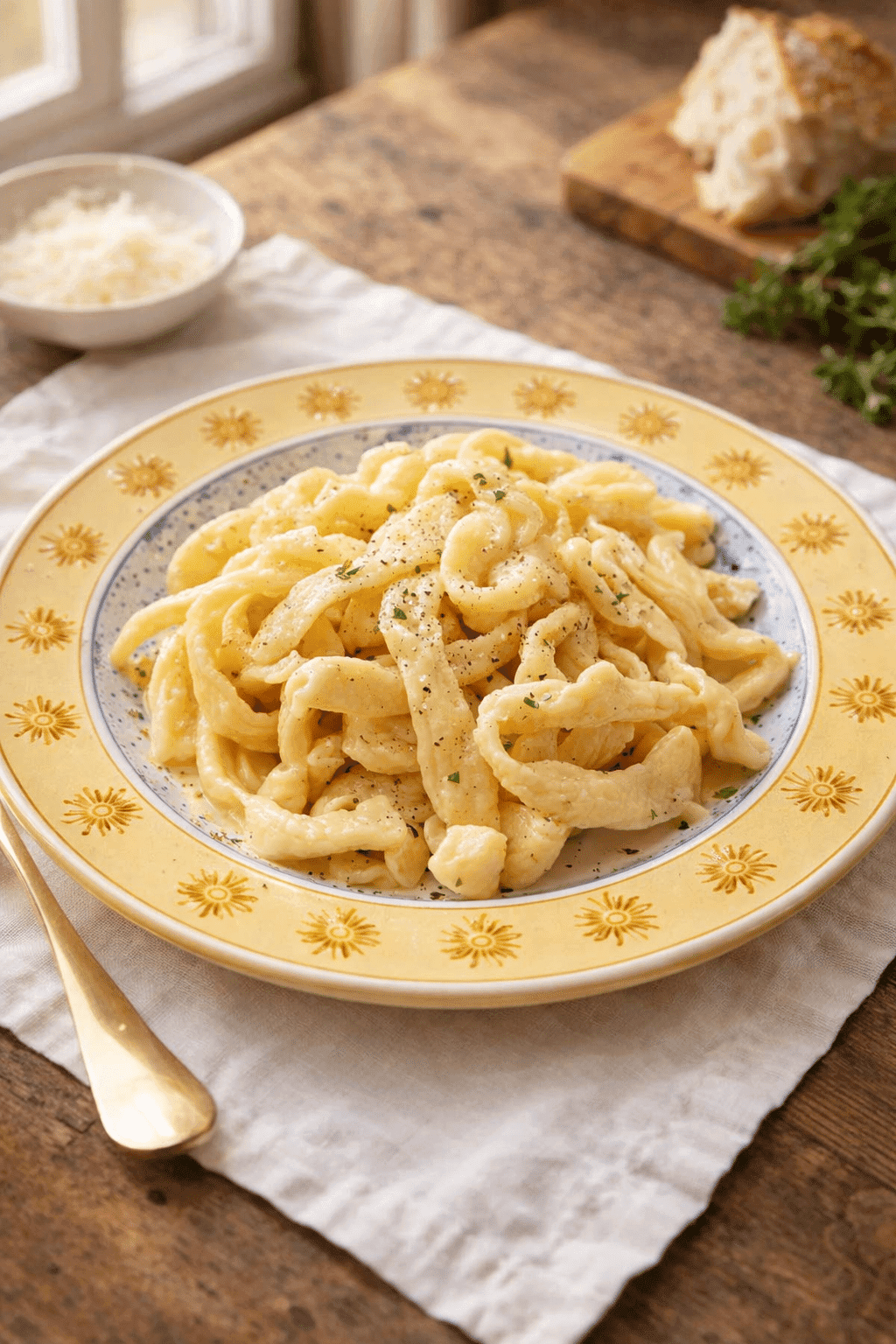
Egg Noodles are one of those recipes I return to when I want something comforting but still hands-on and rewarding. The first time I made them at home, I remember being surprised by how soft and rich they tasted compared to store-bought versions.
The dough feels smooth under your hands, and once cooked, the noodles turn tender with just enough chew. I often make this recipe on slower weekends or when soups and simple skillet meals call for something extra special.
In our kitchen, these fresh noodles have become a favorite base for quick dinners because they cook fast and soak up flavor beautifully. Testing this recipe in my Los Angeles kitchen reminded me how a few basic ingredients can create something deeply satisfying without stress.
When I want something hearty and comforting, I often pair homemade noodles with bold dishes like this chili mac recipe, which shows how well fresh noodles hold up in rich, saucy meals.
You’ll love how this recipe turns simple pantry staples into tender, flavorful noodles with very little effort. The soft texture and light chew hold up well in soups, sauces, and easy skillet meals.
You’ll also appreciate how quickly the dough comes together and how fast the noodles cook. Best of all, you control the thickness and shape, which makes every batch feel personal, reliable, and homemade.
Table of Contents
What You Need to Make This Recipe
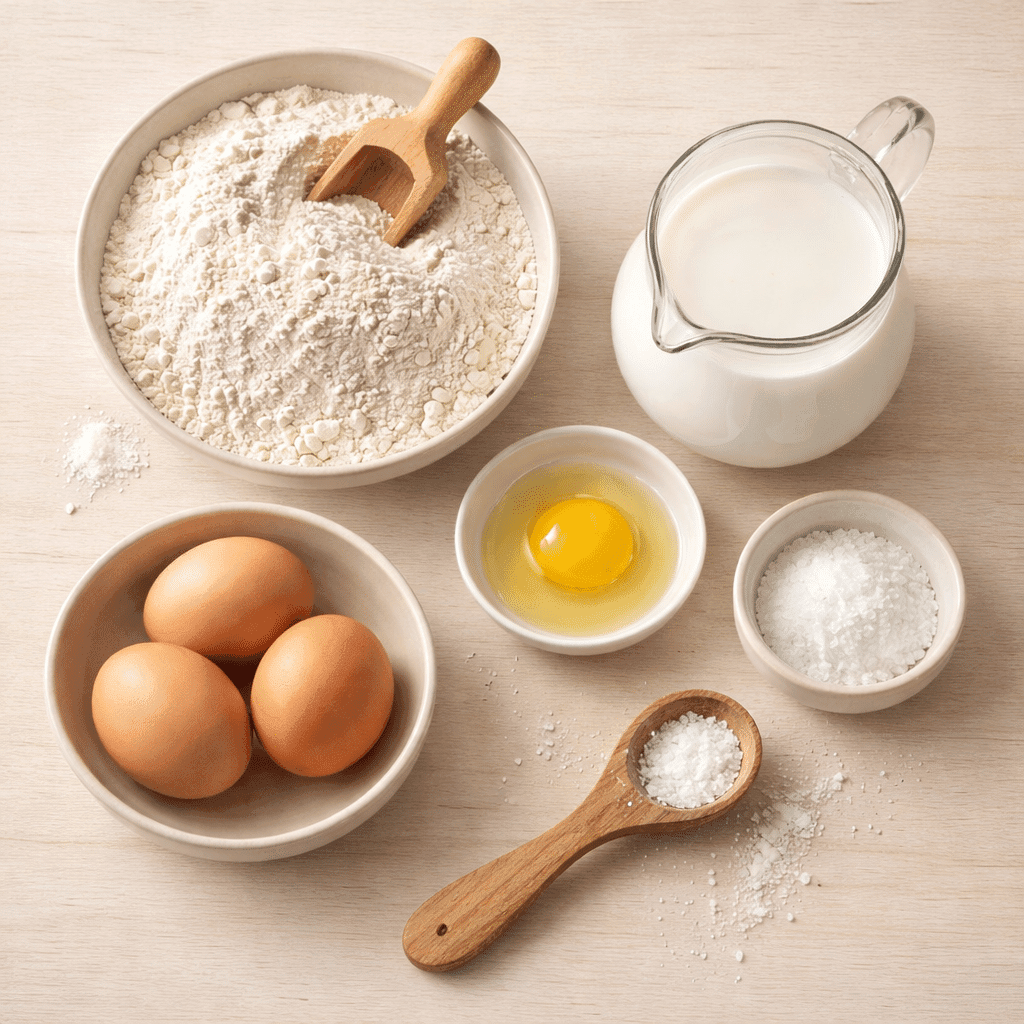
This Egg Noodles recipe uses a handful of everyday ingredients that work together to create soft, tender noodles with great flavor. Each ingredient plays a clear role in the dough, from structure to richness, which makes the process easy to understand even if you’re making noodles for the first time.
All-Purpose Flour
All-purpose flour forms the structure of Egg Noodles and gives them their classic bite. It creates a dough that rolls smoothly and cooks into noodles that stay tender without turning mushy.
Salt
Salt adds flavor directly to the dough and keeps the noodles from tasting flat. Even a small amount makes a noticeable difference once the noodles cook and absorb moisture.
Eggs
Eggs give Egg Noodles their rich color, soft texture, and hearty feel. They bind the dough together and create noodles that feel satisfying instead of fragile.
Milk
Milk adds moisture and a gentle richness to the dough. It softens the texture and helps the dough come together more easily during mixing.
Extra Flour for Dusting
A light dusting of flour keeps the dough from sticking while rolling and cutting. It also helps separate the noodles so they cook evenly in the pot.
Salted Water
Well-salted boiling water seasons the noodles as they cook. It brings out the natural flavor of the eggs and flour and gives the finished noodles a balanced taste.
Why do my Egg Noodles turn tough or chewy?
Egg Noodles usually turn tough when the dough gets overworked or rolled too thick. When you knead too long, the gluten tightens and makes the noodles dense instead of tender. Rolling the dough thick also causes chewy results because the noodles swell as they cook. Let the dough rest before rolling, roll it thin, and cook the noodles just until tender. Short cooking time keeps Egg Noodles soft with a light bite instead of heavy and rubbery.
Pro Tips for Success
Let the dough rest before rolling.
Resting relaxes the gluten and makes the dough easier to roll while keeping the Egg Noodles soft after cooking.
Roll the dough very thin.
Egg Noodles expand in boiling water, so thin dough prevents thick, heavy, or chewy noodles.
Use only light flour while rolling.
Too much flour dries the dough and changes the texture, so add just enough to prevent sticking.
Cut the noodles evenly.
Even-sized noodles cook at the same pace and give you a consistent, tender bite.
Salt the cooking water well.
Salted water flavors the Egg Noodles from the inside and improves the overall taste.
Cook just until tender.
Egg Noodles cook quickly, and overcooking removes their pleasant texture.
How to Make Egg Noodles
Making Egg Noodles at home feels hands-on but stays very manageable when you move step by step. This method keeps the dough easy to work with and the noodles tender every time.
Once you see how easy it is to roll and cut fresh noodles, you’ll realize why they work so well in creamy dishes like this fettuccine alfredo recipe.
Step 1: Mix the dry ingredients
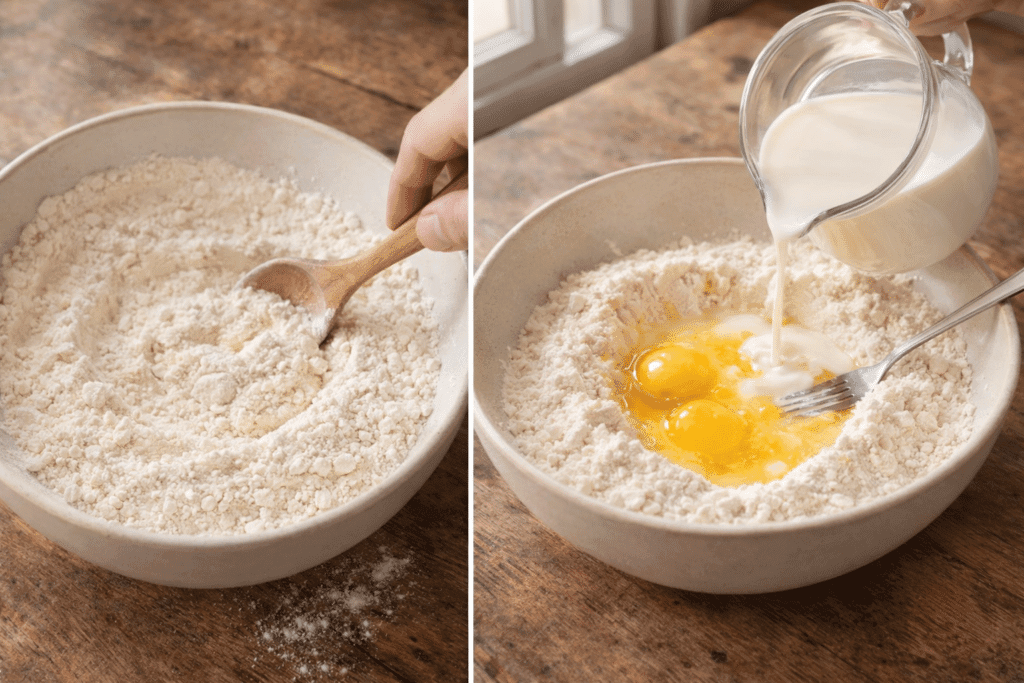
Start by adding the flour and salt to a large mixing bowl. Stir them together so the salt spreads evenly through the flour, which helps the noodles taste balanced from the inside out.
Step 2: Add eggs and milk
Create a small well in the center of the flour mixture. Pour in the beaten eggs and milk. Use a fork to gently break up the eggs while slowly pulling flour into the center.
Step 3: Form the dough
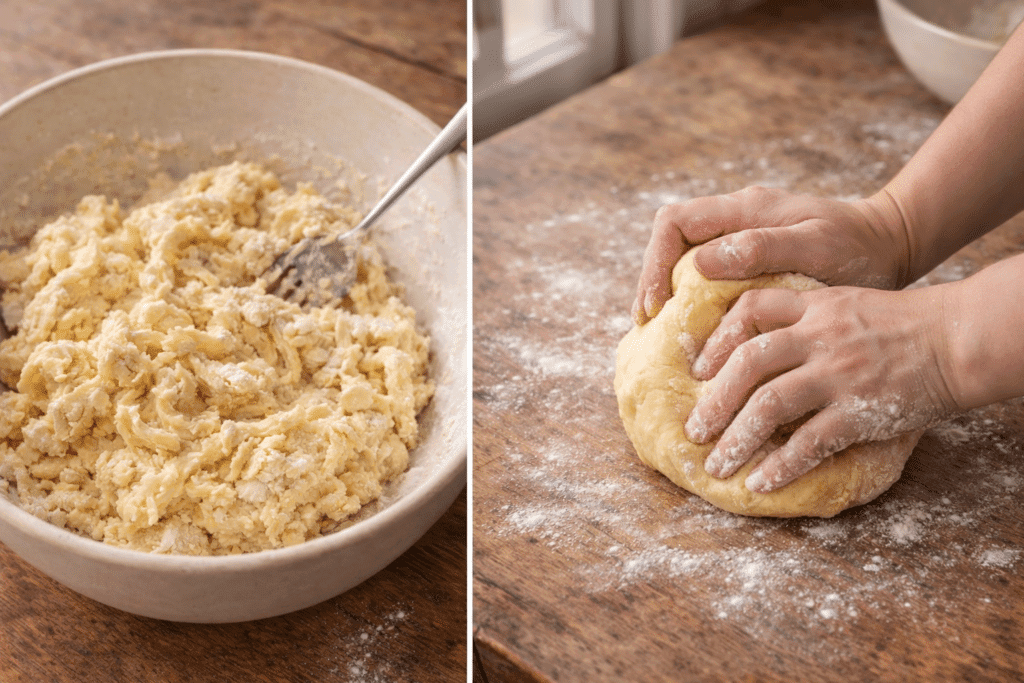
Keep stirring until the mixture thickens and forms a shaggy dough. Once it becomes difficult to stir, use your hands to bring everything together into a soft ball.
Step 4: Knead until smooth
Transfer the dough to a lightly floured surface. Knead for several minutes until the dough feels mostly smooth and no longer sticky. Add small amounts of flour only if needed.
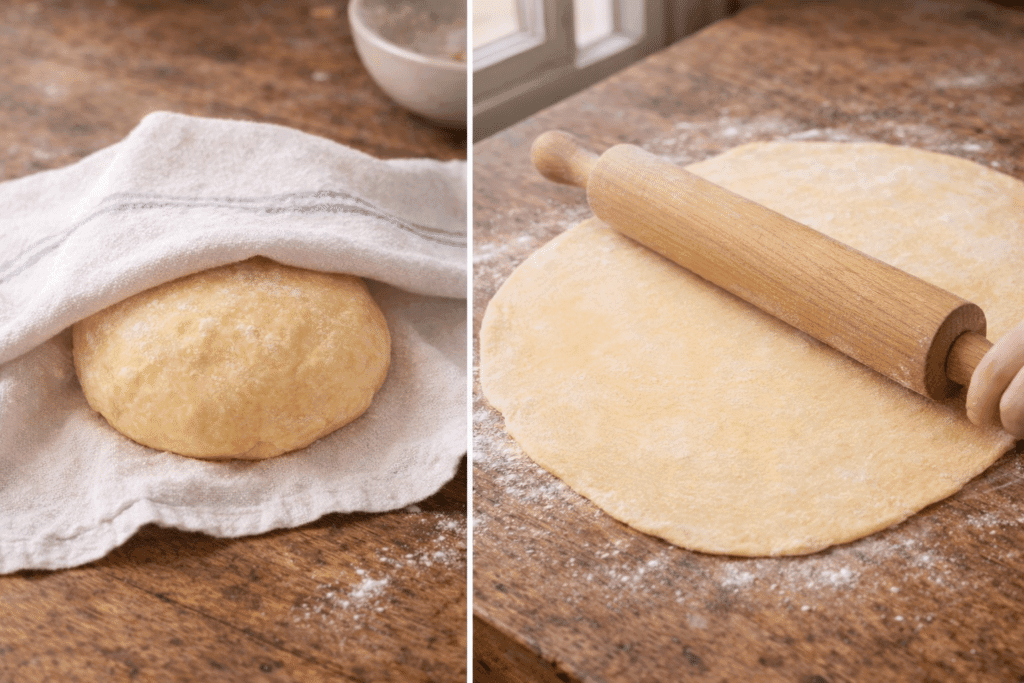
Step 5: Rest the dough
Cover the dough and let it rest. Resting relaxes the gluten, which makes rolling easier and keeps the Egg Noodles from turning tough when cooked.
Step 6: Roll the dough thin
Roll the dough out on a lightly floured surface until it reaches a thin, even sheet. Remember that the noodles will expand as they cook.
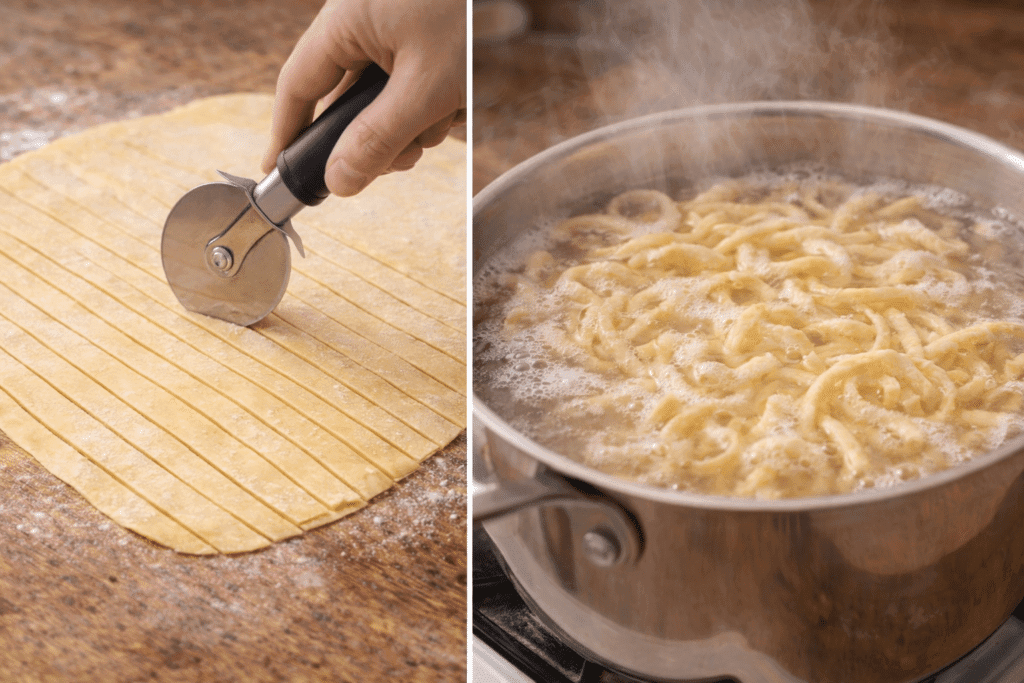
Step 7: Cut the noodles
Use a pizza cutter or sharp knife to cut the dough into strips. Toss the noodles gently with a little flour to prevent sticking while you prepare the water.
Step 8: Cook and drain
Boil the noodles in well-salted water until tender. This usually takes just a few minutes. Drain well and serve immediately with your favorite sauce or dish.
Serving Suggestions
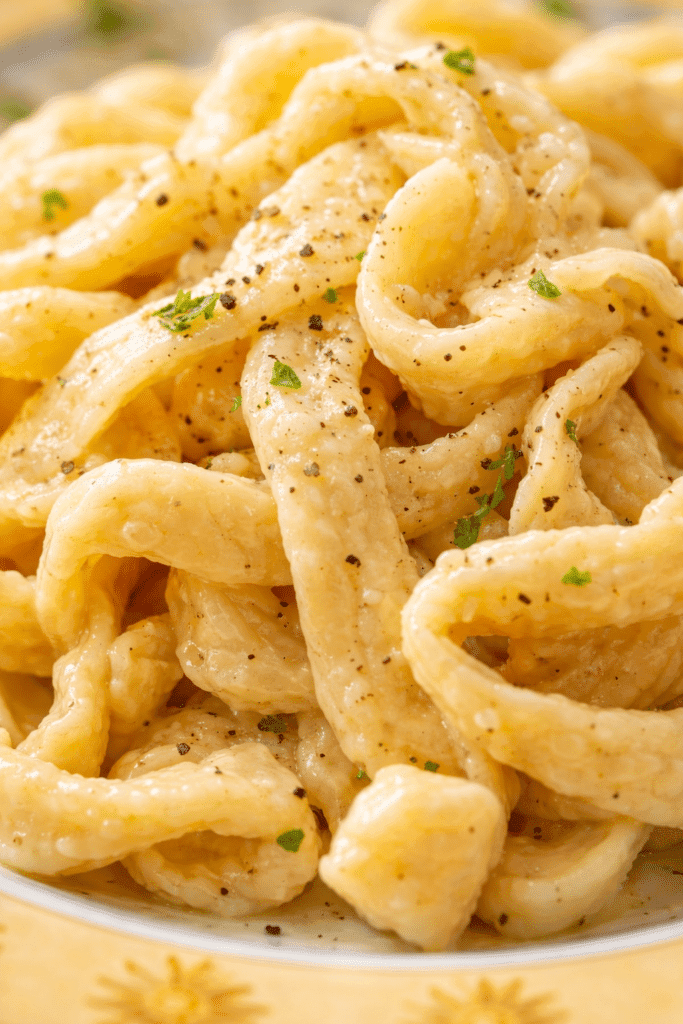
Egg Noodles work beautifully in many meals offering comfort and flexibility at the same time. Serve them right after cooking with butter and a pinch of salt for a simple side that lets their rich flavor shine. They pair well with creamy sauces, light olive oil-based sauces, or tomato-forward dishes. Egg Noodles also fit naturally into chicken noodle soup, beef broth soups, or vegetable-packed bowls where their soft texture absorbs flavor without falling apart.
For quick dinners, toss Egg Noodles into stir fry meals with vegetables and protein for a hearty base. They also work well alongside roasted meats or slow-cooked dishes where the noodles soak up juices. When serving for gatherings, keep them warm and remember they taste best fresh, right after draining, while still tender and comforting.
Serve these noodles with lemony, garlic-forward dishes for a fresh dinner option inspired by this chicken scampi recipe, especially when you want something lighter than heavy sauces.
Storage & Make-Ahead Tips
Egg Noodles taste best when served fresh, but you can still store them with good results if needed. After cooking, let the noodles cool completely before storing. Place them in an airtight container and keep them in the refrigerator for up to three days. When reheating, warm them gently in a pan with a splash of water or broth to bring back softness.
For make-ahead prep, you can prepare the dough in advance and store it tightly wrapped in the refrigerator for several hours before rolling and cutting. Fresh, uncooked noodles can also rest lightly floured on a baking sheet for a short time before cooking. Freezing works well for longer storage. Freeze uncooked noodles in loose bundles, then transfer to a freezer-safe bag. Cook directly from frozen without thawing for best texture prevents sticking and keeps results consistent.
Skylar ’s Touch
Making Egg Noodles at home always reminds me how comforting simple cooking can be. In our kitchen, these noodles bring everyone to the table fast and happy. I hope this recipe brings that same warmth to your home. If you make it, share it with someone you love and enjoy every bite together.
Frequently Asked Questions About Egg Noodles
Can I make Egg Noodles without milk?
Yes, you can make Egg Noodles without milk. Replace the milk with a small amount of water if the dough feels too dry. The noodles may taste slightly less rich, but they will still cook up tender and satisfying.
How thin should Egg Noodles be rolled?
Egg Noodles should be rolled very thin, about one-eighth inch thick. They expand during cooking, so thin dough gives you soft noodles remembered for light chew instead of heaviness.
Can I dry Egg Noodles instead of cooking them right away?
Yes, you can let freshly cut Egg Noodles air-dry for several hours. Once dry, store them in an airtight container. Drying works best if you plan to store them short-term.
Why do my Egg Noodles stick together?
Egg Noodles stick when they do not get enough flour after cutting or when they sit too long before cooking. Toss them lightly with flour and cook soon after cutting for best results.
Egg Noodles Recipe
Homemade Egg Noodles made with simple pantry ingredients. These soft, tender noodles cook quickly and work perfectly in soups, sauces, and skillet meals.
- Prep Time: PT15M
- Cook Time: PT5M
- Total Time: PT20M
- Yield: 4 servings
- Category: Dinner
- Method: Stovetop
- Cuisine: American
- Diet: Vegetarian
Ingredients
All-purpose flour
Salt
Eggs
Milk
Instructions
Step 1: Mix flour and salt in a large bowl
Step 2: Add eggs and milk to form a dough
Step 3: Knead until smooth and soft
Step 4: Let the dough rest
Step 5: Roll the dough very thin
Step 6: Cut into noodle strips
Step 7: Boil in salted water
Step 8: Drain and serve
Notes
Let the dough rest before rolling
Roll dough thinner than expected
Salt cooking water well
Cook only until tender
Nutrition
- Serving Size: 1 bowl
- Calories: 220
- Fat: 5
- Carbohydrates: 35
- Protein: 8
Keywords: Egg Noodles, homemade noodles, pasta