
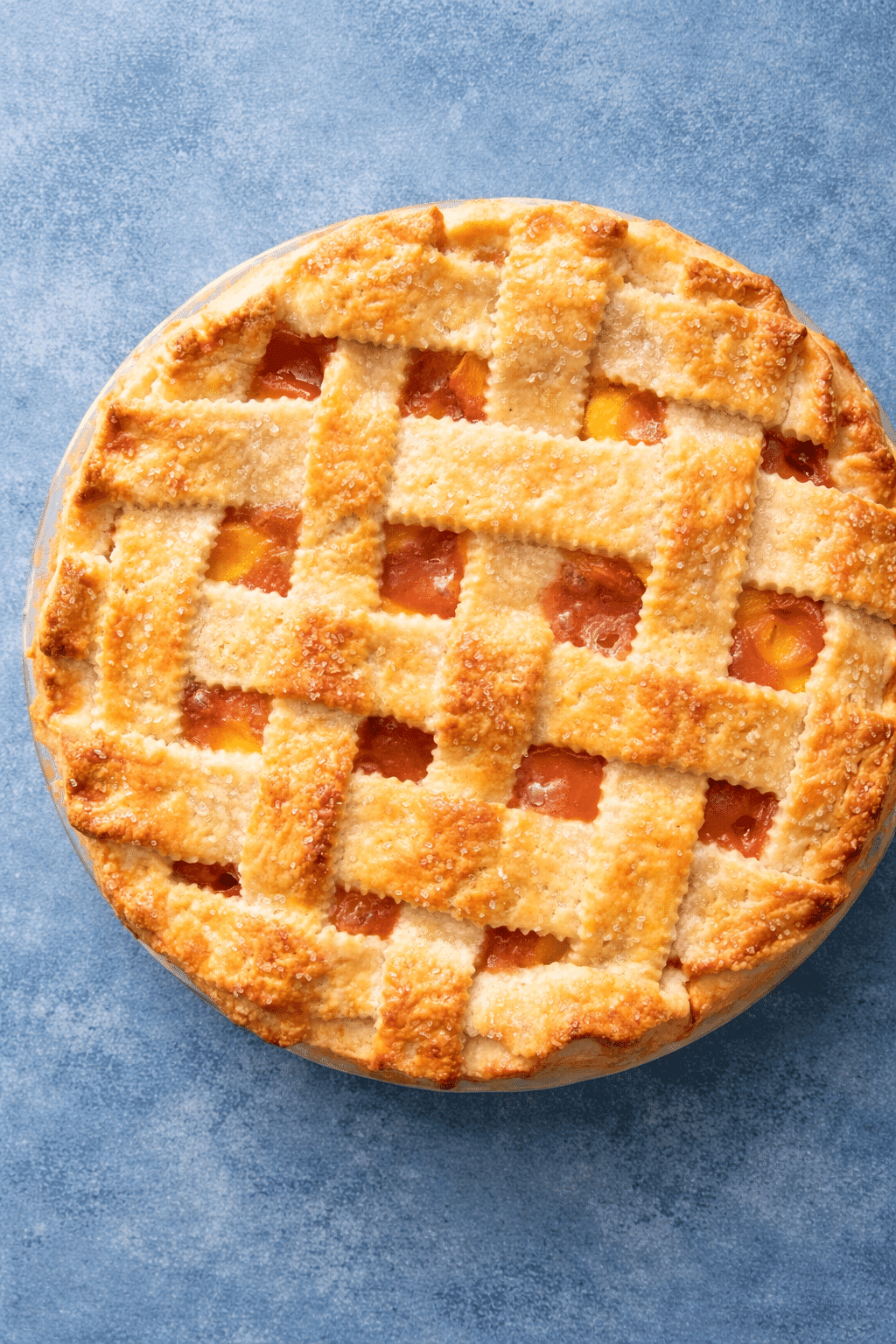
This pie crust recipe is one I’ve made hundreds of times in my Los Angeles kitchen. I first learned it while helping my mother make holiday pies—her buttery hands moved with confidence as she turned a few humble ingredients into golden perfection. Years later, as a restaurant chef, I tested countless versions before returning to this one. It’s flaky, crisp, and has that melt-in-your-mouth texture every baker dreams of. At home, I make this crust for fruit pies, quiches, and even savory tarts. It’s the base that makes every filling shine. What I love most is its reliability—no stress, no mystery, just a dependable dough that performs beautifully every time.
You’ll love this pie crust recipe because it delivers perfect results every time. With just five simple ingredients, you’ll create a buttery, flaky crust that’s tender yet crisp. It comes together in minutes with no special tools—just a bowl and your hands. Whether you’re baking a sweet berry pie or a savory quiche, this versatile dough rolls out beautifully and freezes well for future baking days.
For more delicious ideas using this flaky, buttery crust, try it with my Chicken Pot Pie for a comforting dinner, or explore sweet classics like Coconut Cream Pie, Sweet Potato Pie, Pecan Pie, and the seasonal favorite Pumpkin Pie — each one made even better with this same homemade crust.
Table of Contents
Key Ingredients
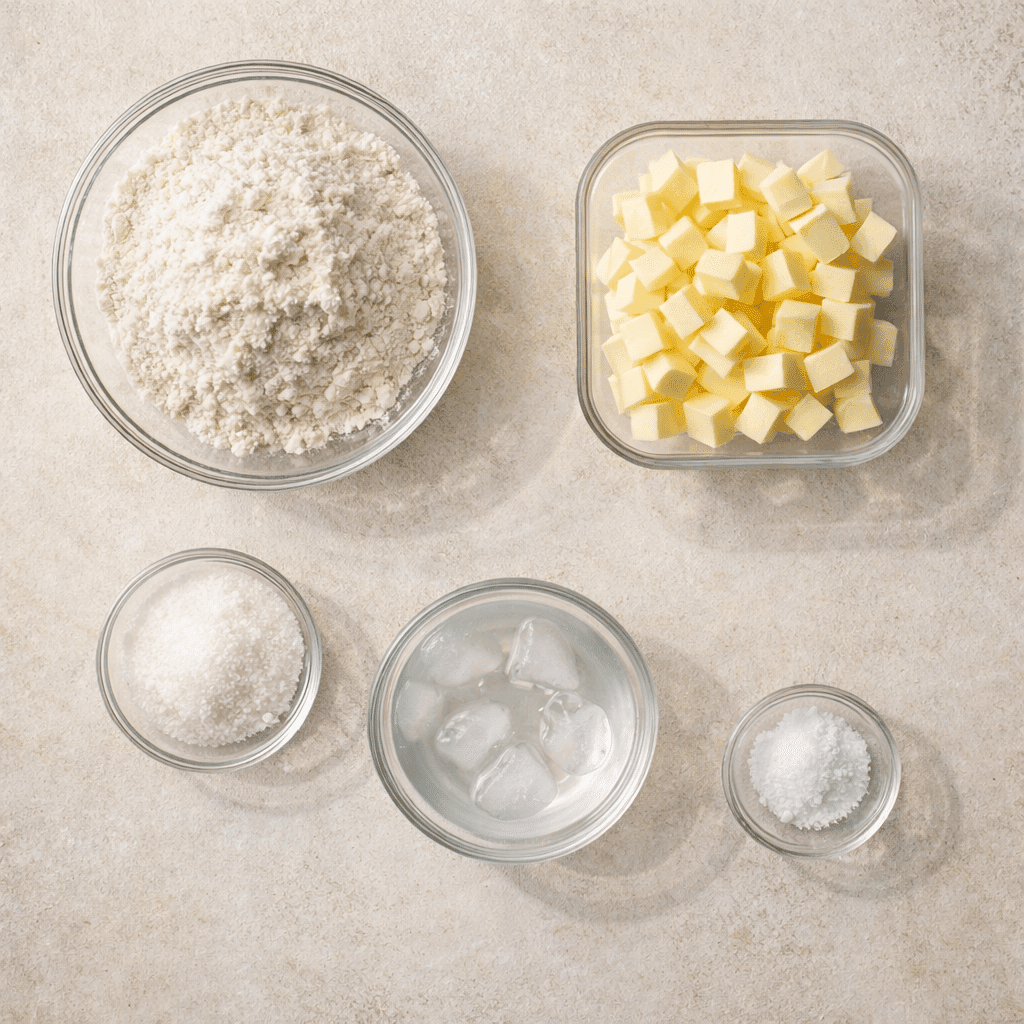
A great pie crust recipe starts with the simplest ingredients, but how you treat each one determines whether your crust turns out tender or tough. Every element plays a specific role in texture, flavor, and structure. Let’s look at what makes this recipe foolproof and why these ingredients matter in every flaky bite.
All-Purpose Flour:
Flour gives the crust its structure and strength. Choose an unbleached all-purpose flour for a balanced texture that’s neither too soft nor too dense. It creates a crisp, golden shell that can hold both fruit and custard fillings without getting soggy.
Cold Unsalted Butter:
Butter is the heart of any good pie crust recipe. Using it cold ensures that small pockets of fat melt in the oven, producing that signature flaky texture. The unsalted variety gives you full control over seasoning and adds a deep, rich flavor unmatched by shortening or oil.
Granulated Sugar:
A touch of sugar adds just enough sweetness to balance the salt and butter while helping the crust brown evenly. It’s subtle but makes a big difference in overall flavor and color.
Salt:
Salt enhances the butter’s richness and rounds out every flavor. Without it, your crust will taste flat—even in sweet pies. Use fine sea salt for a smooth blend that disperses evenly throughout the dough.
Ice Water:
Ice-cold water binds the ingredients just enough to form a dough without activating too much gluten. Always drizzle it slowly and stop when the dough holds together. The less water you use, the flakier the result.
What Makes a Pie Crust Flaky ?
The secret to a flaky pie crust recipe lies in the butter—specifically, keeping it cold from start to finish. When cold butter hits the heat of the oven, it melts and releases steam, creating airy pockets between layers of dough. That’s what gives a pie crust its crisp, tender texture. Overmixing or adding too much water can ruin that delicate balance. Use cold ingredients, chill the dough before rolling, and bake in a hot oven for the ultimate golden, flaky result every single time.
Pro Tips for Success
- Keep everything cold. Cold butter and water are the key to a flaky, layered texture. If your kitchen is warm, chill your flour and mixing bowl before starting.
- Handle the dough gently. Overmixing toughens the crust. Mix just until the dough holds together—those small butter chunks are what make magic happen.
- Add water slowly. Drizzle ice water one tablespoon at a time and stop as soon as the dough sticks together when pressed.
- Chill before rolling. Resting the dough for at least an hour relaxes gluten and prevents shrinkage while baking.
- Roll evenly. Work from the center out, rotating the dough often to maintain a round shape and prevent sticking.
- Pre-bake for custard pies. Blind-baking ensures a crisp base for fillings like pumpkin or lemon meringue.
- Freeze for later. Wrap dough tightly and freeze up to three months—it thaws beautifully overnight in the fridge.
How to Make Pie Crust
Making a perfect pie crust recipe is all about patience, temperature control, and gentle handling. Follow these numbered steps for a buttery, flaky crust that never fails.
1. Combine the dry ingredients.
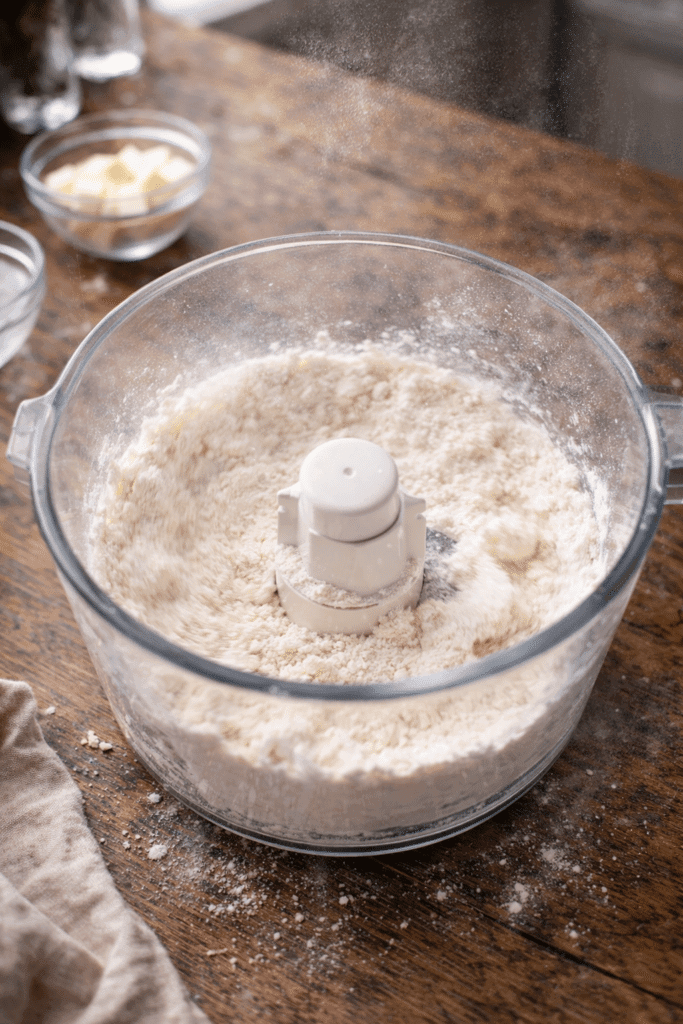
In the bowl of a food processor, add 1½ cups of flour, sugar, and salt. Pulse a few times until everything is evenly blended. This ensures that salt and sugar distribute perfectly before adding butter.
2. Add the first half of the butter.
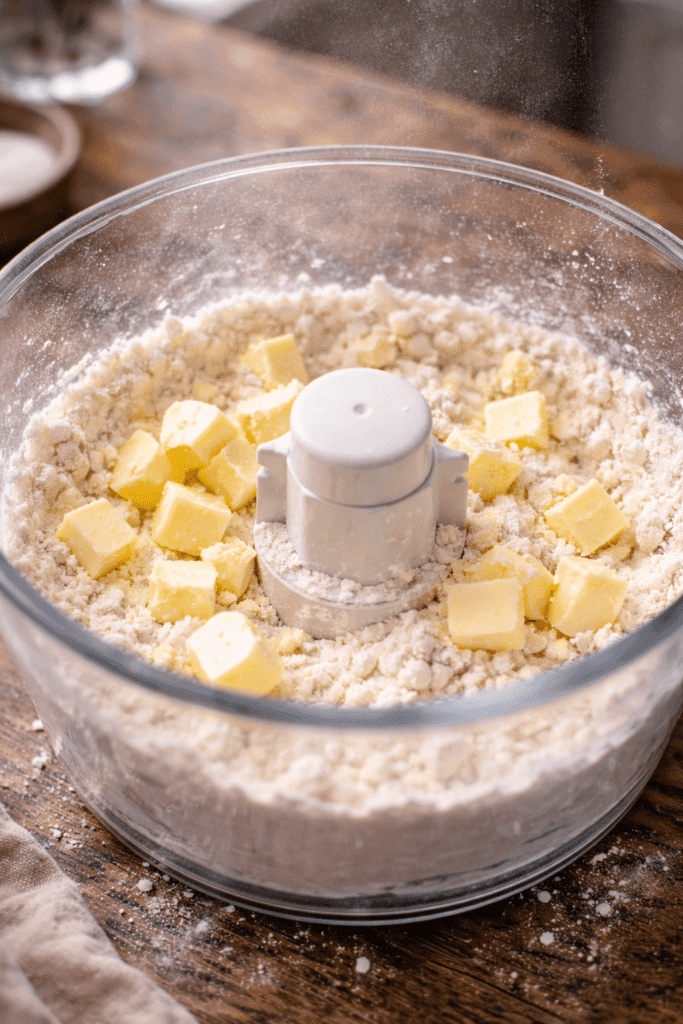
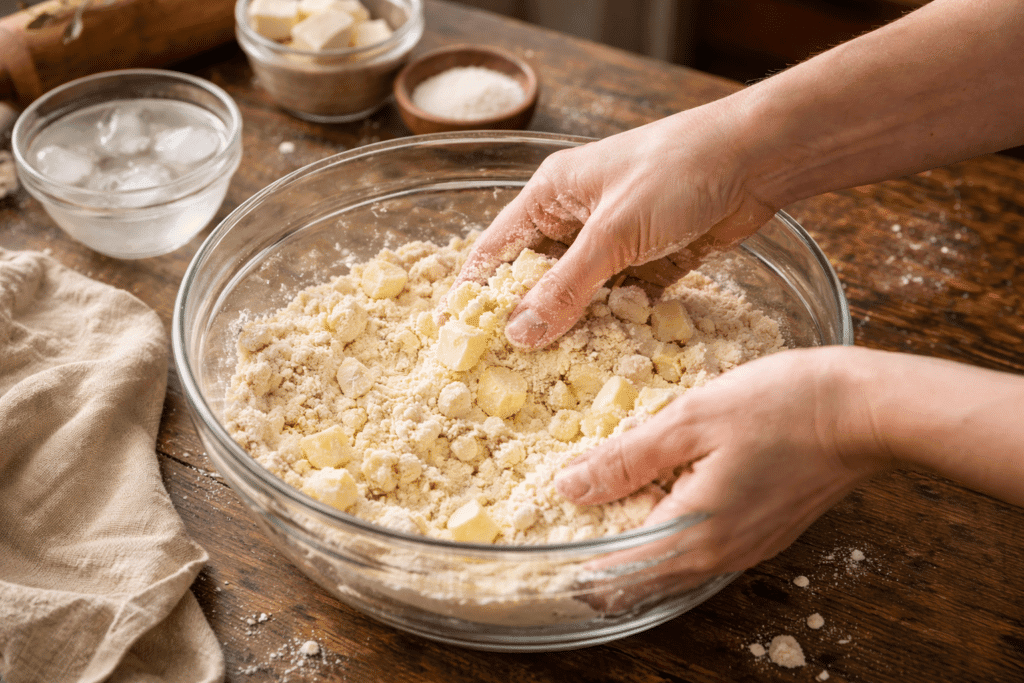
Scatter in half of the cold butter cubes. Pulse until the mixture looks crumbly and forms small pea-sized bits. These butter pieces are what will create delicate flakes later.
3. Add the remaining butter and flour.
Add the remaining 1½ cups of flour and the rest of the butter cubes. Pulse just twice—enough to coat the butter lightly without breaking it down.
4. Add ice water gradually.
Drizzle 4 tablespoons of ice water over the dough mixture. Pulse several times. If the dough looks too dry, add 1 tablespoon of water at a time, pulsing after each addition until it holds together when squeezed.
5. Form and chill the dough.
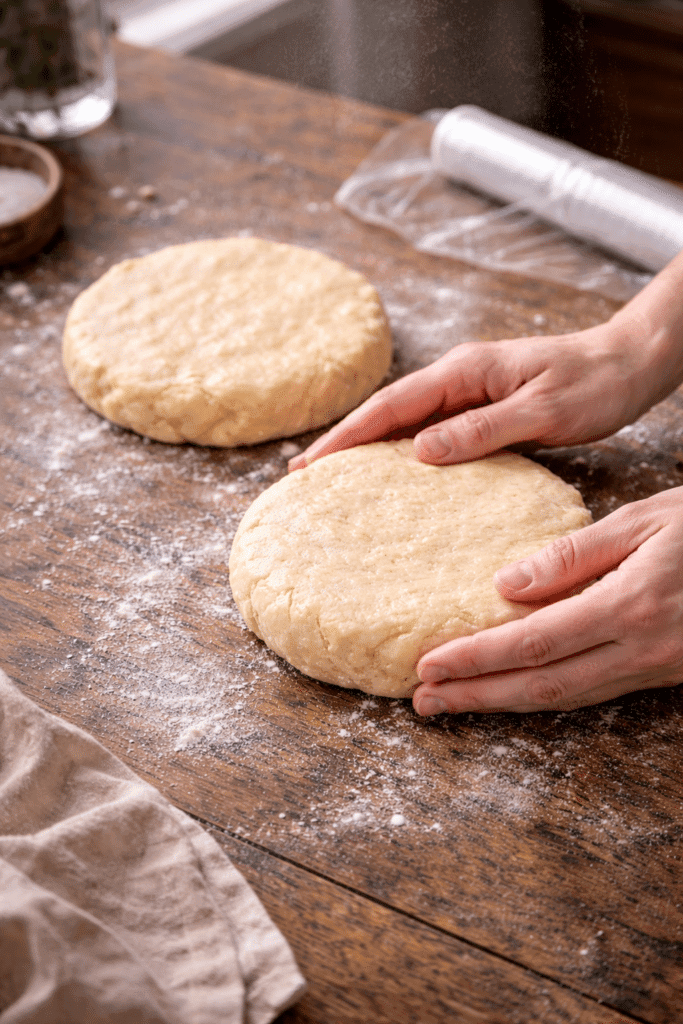
Transfer the dough to a clean surface. Gently press it together into a ball—avoid kneading. Divide the dough in half, flatten each portion into a disc, and wrap tightly in plastic wrap.
6. Refrigerate before use.
Chill for at least one hour, or up to three days, to firm the butter and relax the gluten.
7. Roll and bake.
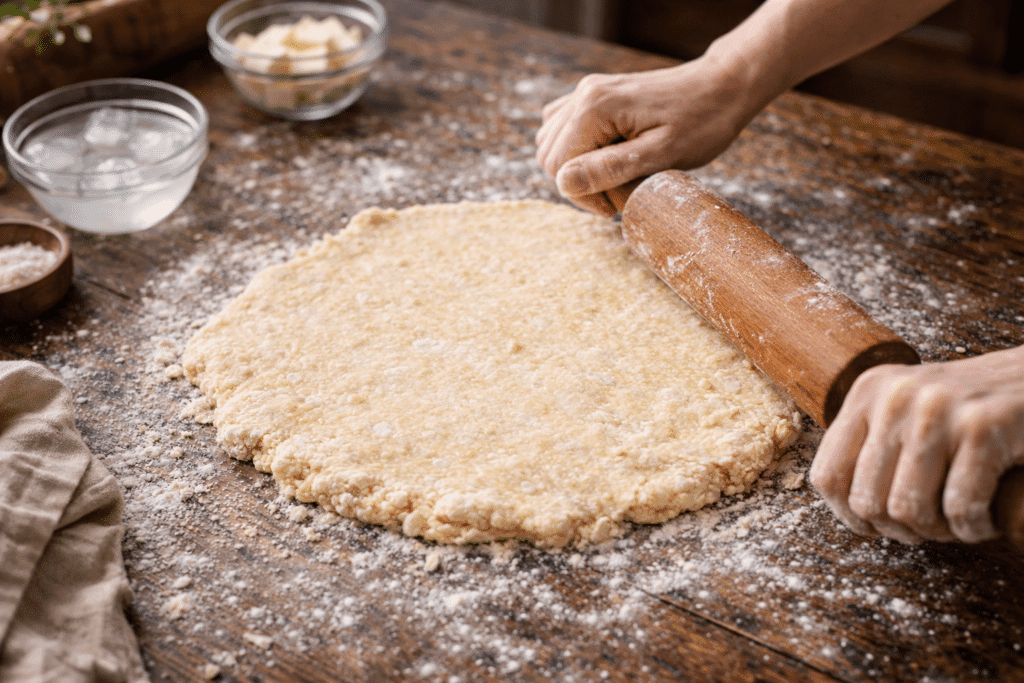
When ready, roll out one dough disc on a floured surface. Use it for your favorite pie or tart. For longer storage, freeze the dough for up to three months.
Serving Suggestions
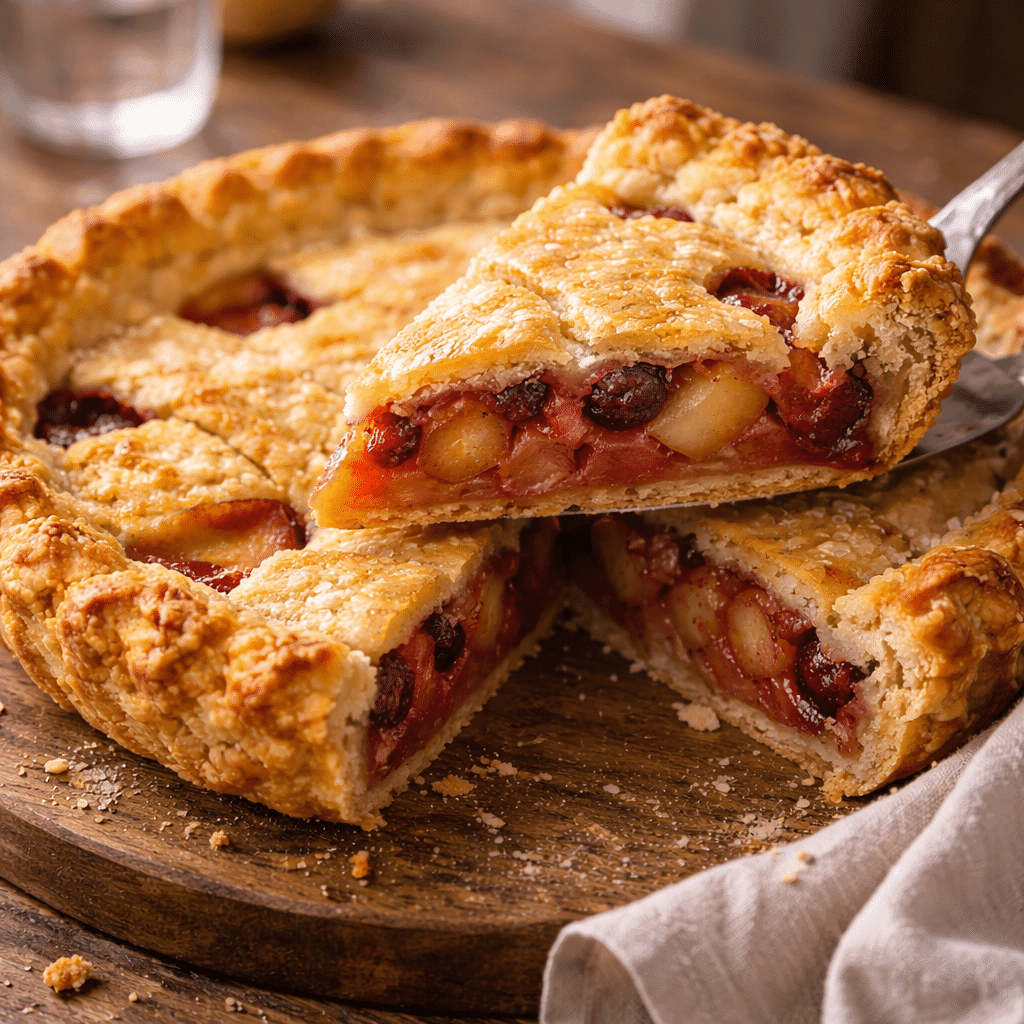
This buttery pie crust recipe works beautifully for every occasion. Use it as the base for sweet classics like apple, pecan, or chocolate cream pies, or fill it with savory favorites like quiche or chicken pot pie. For holidays, pair a fruit pie with a scoop of vanilla ice cream or a dollop of whipped cream. It’s also perfect for mini tarts or galettes when you want something elegant yet easy.
Storage & Make-Ahead Tips
One of the best parts of this pie crust recipe is how well it stores. At room temperature, you can rest the wrapped dough for up to two hours if you plan to bake soon. For longer storage, refrigerate it tightly wrapped in plastic for up to three days. The cold rest improves texture and flavor. To freeze, wrap the discs in both plastic wrap and foil, then label and date them. They’ll stay fresh for up to three months. Thaw overnight in the refrigerator before rolling and baking as usual.
Sienna’s Touch
Every time I make this pie crust recipe, I’m reminded of quiet mornings in my mother’s kitchen, the scent of butter and flour filling the air. Now, I love teaching my daughters how to shape and crimp the edges—just like she taught me. I hope this crust brings comfort, joy, and a little family tradition to your kitchen too.
Frequently Asked Questions
1. What makes pie crust flaky?
Flakiness comes from using cold butter and minimal mixing. When cold butter melts in the oven, it releases steam, creating light, crisp layers in the crust.
2. Is an all-butter crust better than shortening?
Yes. An all-butter pie crust recipe gives a richer flavor and golden color. While shortening can make rolling easier, butter wins on taste and texture every time.
3. Should I add vinegar or acid to my crust?
A small splash of vinegar or lemon juice helps prevent gluten from forming, making the dough more tender without altering the flavor.
4. Why does my dough crack when I roll it out?
It’s likely too cold or too dry. Let it rest at room temperature for a few minutes, or sprinkle a bit of cold water over cracks and press gently to repair.
Pie Crust Recipe
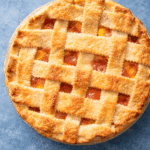
This buttery, flaky pie crust recipe delivers a golden, tender base for all your favorite pies—sweet or savory.
- Prep Time: 15 minutes
- Cook Time: 40 minutes
- Total Time: 55 minutes
- Yield: 2 pie crusts 1x
- Category: Dessert
- Method: Baked
- Cuisine: American
- Diet: Vegetarian
Ingredients
3 cups all-purpose flour
1 tablespoon granulated sugar
1 teaspoon salt
1 cup cold unsalted butter, cubed
4 to 6 tablespoons ice water
Instructions
1. Combine flour, sugar, and salt in a food processor.
2. Add half the butter; pulse until crumbly.
3. Add remaining butter and flour; pulse twice.
4. Drizzle ice water gradually and pulse until dough holds.
5. Form dough into two discs and wrap tightly.
6. Chill for at least 1 hour before rolling out.
Notes
Keep butter and water cold for best flakiness.
Dough can be refrigerated for 3 days or frozen for 3 months.
Nutrition
- Serving Size: 1 slice
- Calories: 220
- Sugar: 1g
- Sodium: 180mg
- Fat: 14g
- Saturated Fat: 9g
- Unsaturated Fat: 4g
- Trans Fat: 0g
- Carbohydrates: 20g
- Fiber: 1g
- Protein: 3g
- Cholesterol: 35mg
Keywords: pie crust recipe, flaky crust, homemade dough