
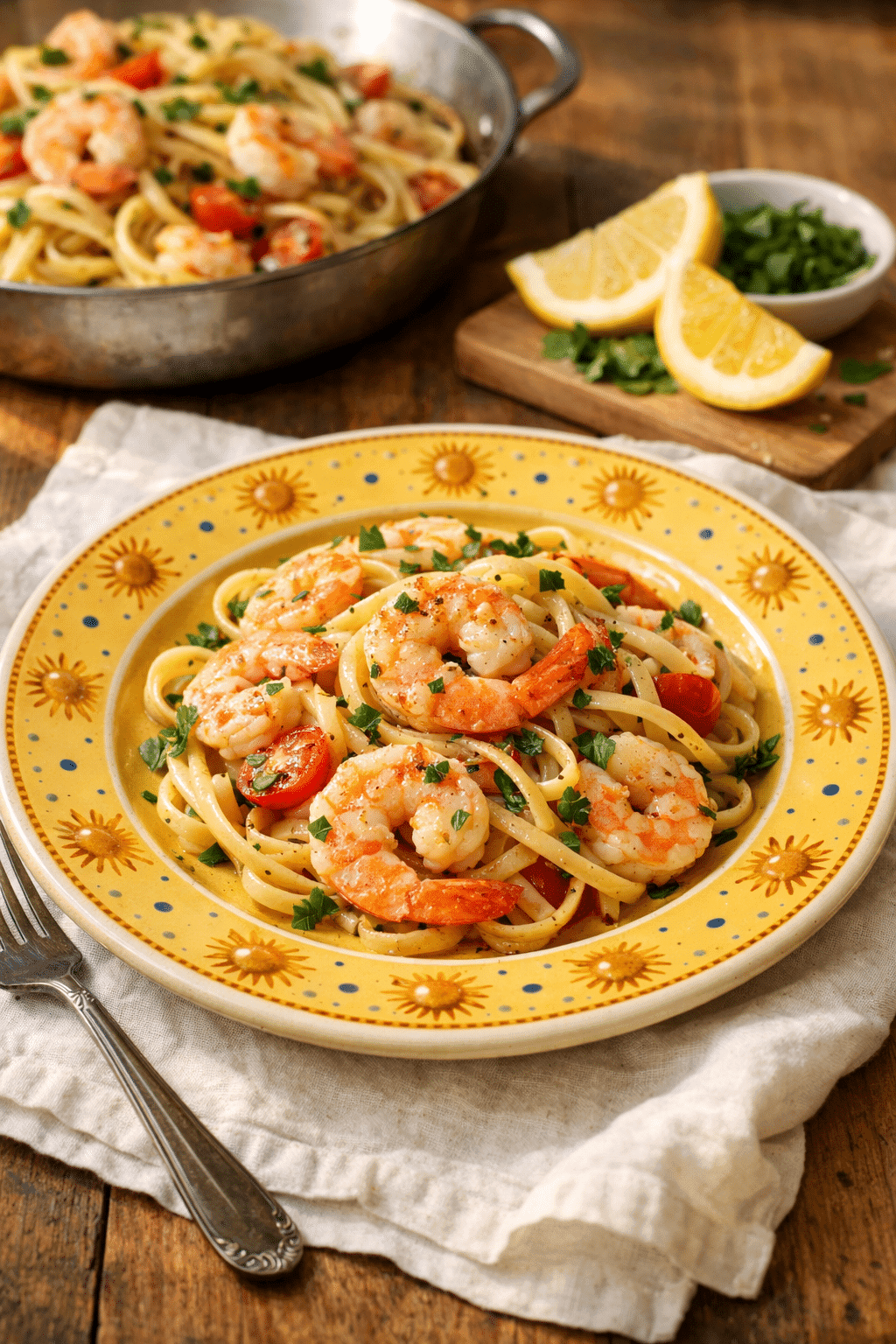
Shrimp Linguine Recipe is one of those dinners I turn to when I want something comforting but still fresh and light. I first tested this Shrimp Linguine on a weeknight when I needed dinner fast and didn’t want anything boring.
The tender shrimp, buttery garlic sauce, and bright lemon notes came together quickly. My family cleaned their plates without a word, which always feels like the best kind of feedback.
The pasta stays silky, and the shrimp cook in just minutes. The flavors feel balanced rather than heavy, which makes this dish easy to enjoy any time of year.
I often make this Shrimp Linguine after long days when I want a meal that feels thoughtful without extra effort. It reminds me why simple pasta dinners stay a favorite in our Los Angeles kitchen.
You will love this Shrimp Linguine because it keeps dinner calm while delivering bold, reliable flavor. It cooks fast and uses familiar pantry staples.
The sauce clings to the pasta, and the shrimp stay tender and juicy. Bright lemon lifts every bite without overpowering the dish.
This recipe pairs easily with simple salads or bread. It fits busy weeknights and relaxed family dinners while keeping planning easy and stress low for home cooks who crave comfort and freshness.
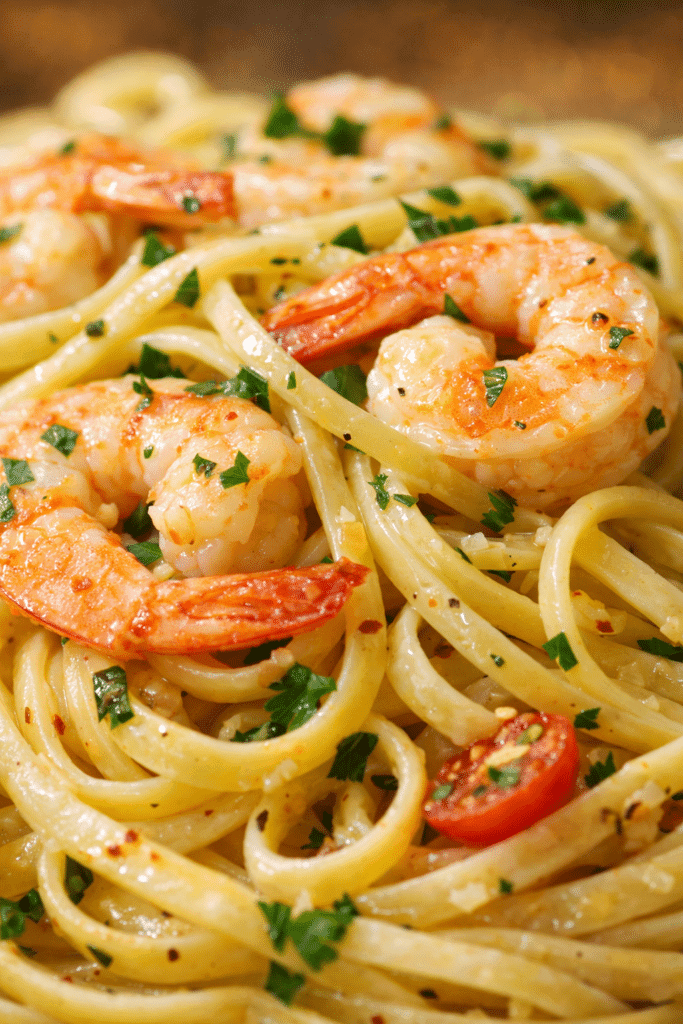
Table of Contents
Key Ingredients
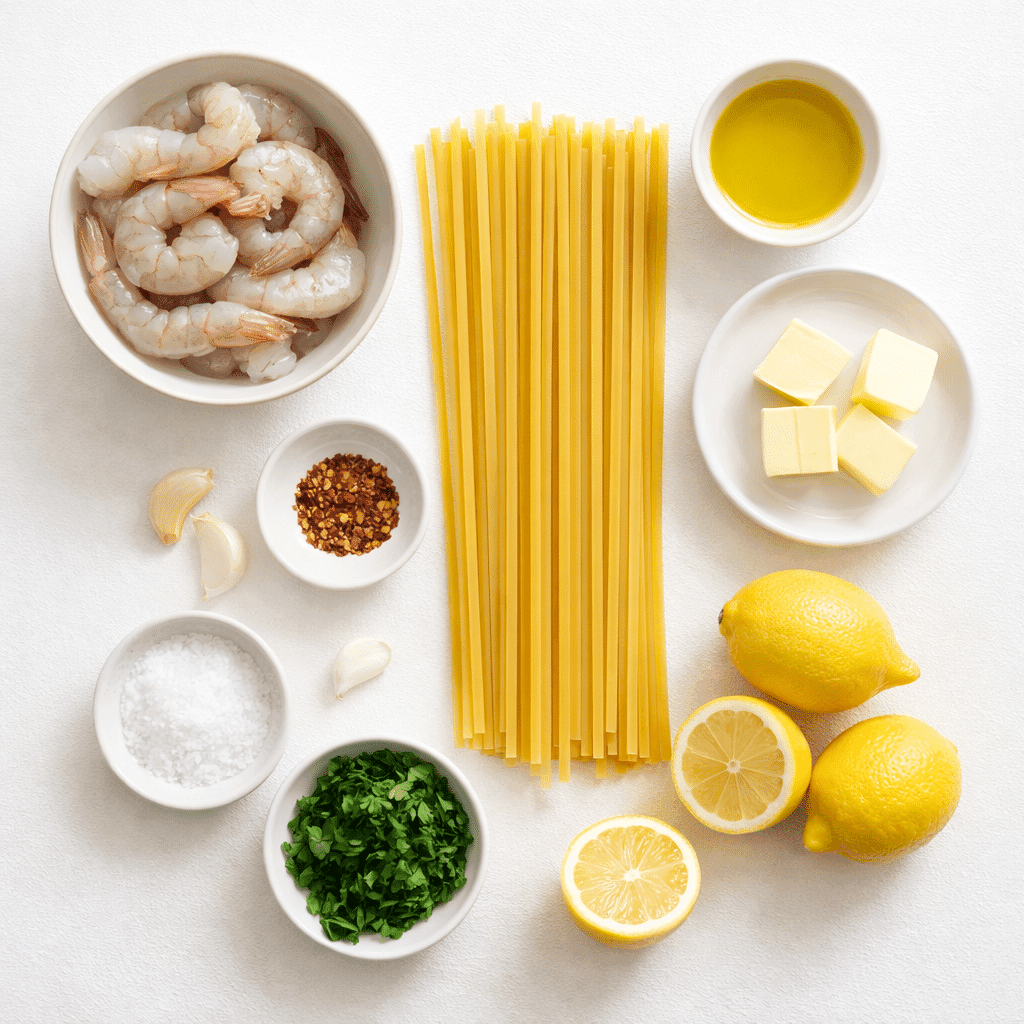
This Shrimp Linguine relies on a short list of ingredients that work together to create a balanced, comforting pasta. Each one plays a clear role, so nothing feels extra or out of place.
Linguine
Linguine gives this dish its signature texture. Its flat shape holds onto the buttery sauce better than thinner noodles, so every bite feels coated and satisfying without turning heavy.
Shrimp
Shrimp cook quickly and bring a naturally sweet, briny flavor. When cooked just until pink, they stay juicy and tender, making the dish feel fresh and light rather than dense.
Butter
Butter forms the base of the sauce and adds richness. It melts smoothly and carries the garlic flavor through the pasta, creating that silky finish people love in Shrimp Linguine.
Olive Oil
Olive oil balances the butter and keeps the sauce from feeling too rich. It also helps cook the shrimp evenly while adding a subtle, savory depth.
Garlic
Garlic adds warmth and aroma. Cooking it briefly prevents bitterness while giving the dish its classic pasta-house flavor.
Fresh Lemon Juice and Zest
Lemon brightens the entire dish. The juice adds freshness, while the zest brings a light citrus aroma that keeps each bite lively.
Parsley and Parmesan Cheese
Parsley adds a clean, fresh finish, while Parmesan brings a salty, savory bite that ties everything together beautifully.
Why do my shrimp turn rubbery in Shrimp Linguine?
One common question people ask when making Shrimp Linguine is why the shrimp turn rubbery. Shrimp cook very fast, so overcooking causes that tough texture. You want to cook shrimp just until they turn pink and opaque, which usually takes only two to three minutes. Once they curl slightly and lose their gray color, they’re done. Turning off the heat before tossing in the pasta also helps. This simple timing trick keeps Shrimp Linguine tender and enjoyable, especially for quick seafood pasta dinners at home.
Pro Tips for Success
- Salt the pasta water generously before adding the linguine. Well-seasoned water gives the pasta flavor from the inside and keeps the final Shrimp Linguine from tasting flat.
- Cook the shrimp separately and watch them closely. Shrimp need only a few minutes, and pulling them from the heat early keeps them juicy and tender.
- Reserve some pasta water before draining. Stirring a little into the skillet helps the sauce cling to the linguine and creates a smooth, glossy finish.
- Keep the heat at medium or lower once the garlic goes in. Gentle heat prevents the garlic from browning and keeps the sauce balanced.
- Add the lemon juice and zest near the end. This timing keeps the citrus fresh and bright instead of sharp.
- Toss the pasta gently with the sauce. Slow mixing protects the shrimp and keeps the linguine from breaking.
- Serve immediately while everything stays warm and silky, just like other quick pasta dinners meant to be enjoyed right away.
How to Make Shrimp Linguine
This Shrimp Linguine Recipe comes together quickly, so having everything ready before you start makes the process smooth and relaxed. Follow these steps in order, and you’ll end up with tender shrimp, silky pasta, and a bright, balanced sauce.
Step 1: Boil the pasta
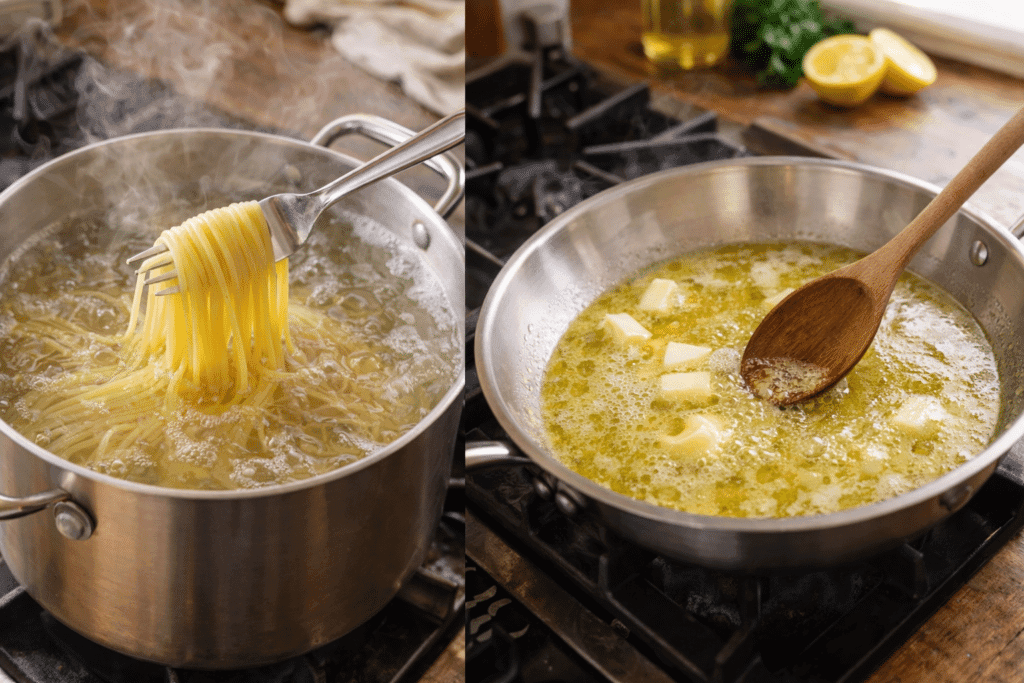
Bring a large pot of water to a rolling boil and add a generous amount of salt. Drop in the linguine and cook it until al dente, following the package timing. Stir occasionally so the noodles don’t stick. Before draining, scoop out some pasta water and set it aside. Drain the linguine well and keep it nearby.
Step 2: Start the sauce base
Place a large skillet over medium heat and add the butter and olive oil. Let the butter melt slowly while you stir, creating a smooth base. This blend gives the Shrimp Linguine richness without feeling heavy.
Step 3: Cook the shrimp
Add the shrimp and garlic directly to the skillet. Stir and turn the shrimp often so they cook evenly. Watch closely as they change from gray to pink and opaque. This usually takes only a few minutes. Remove the skillet from high heat as soon as the shrimp finish cooking to keep them tender.
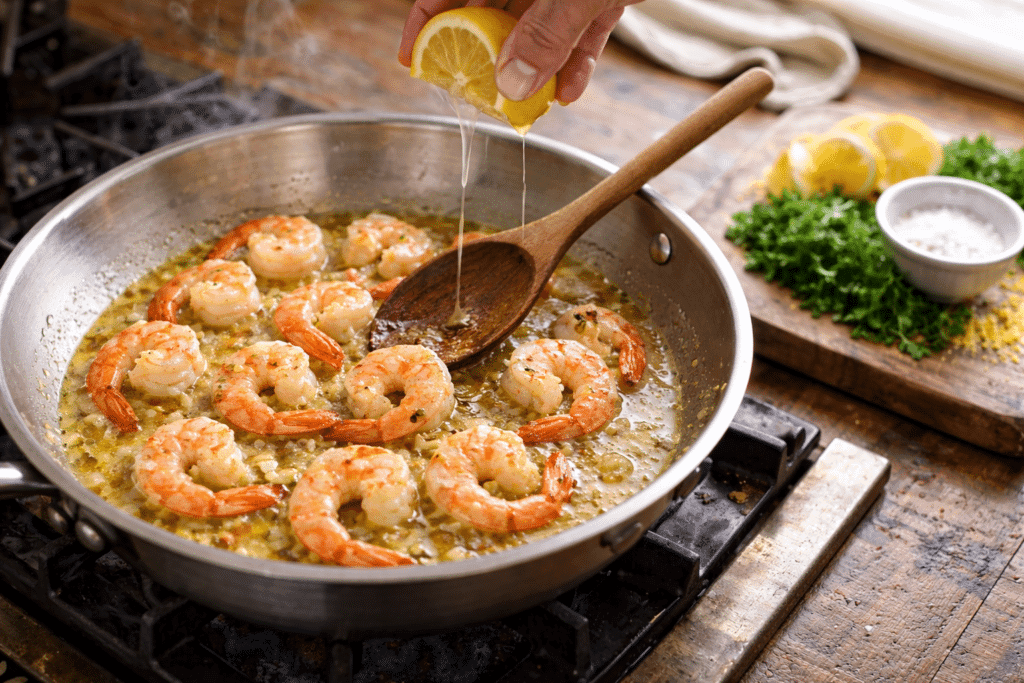
Step 4: Build flavor
Stir in the lemon juice, lemon zest, parsley, lemon slices, salt, pepper, and red pepper flakes. Mix everything gently so the flavors spread evenly through the sauce. Lower the heat to medium-low to keep the sauce warm without cooking the shrimp further.
Step 5: Combine pasta and sauce
Add the cooked linguine directly into the skillet. Toss gently so the pasta absorbs the buttery sauce. If the mixture looks dry, add a small splash of reserved pasta water and toss again. This step helps the sauce coat every strand of linguine.
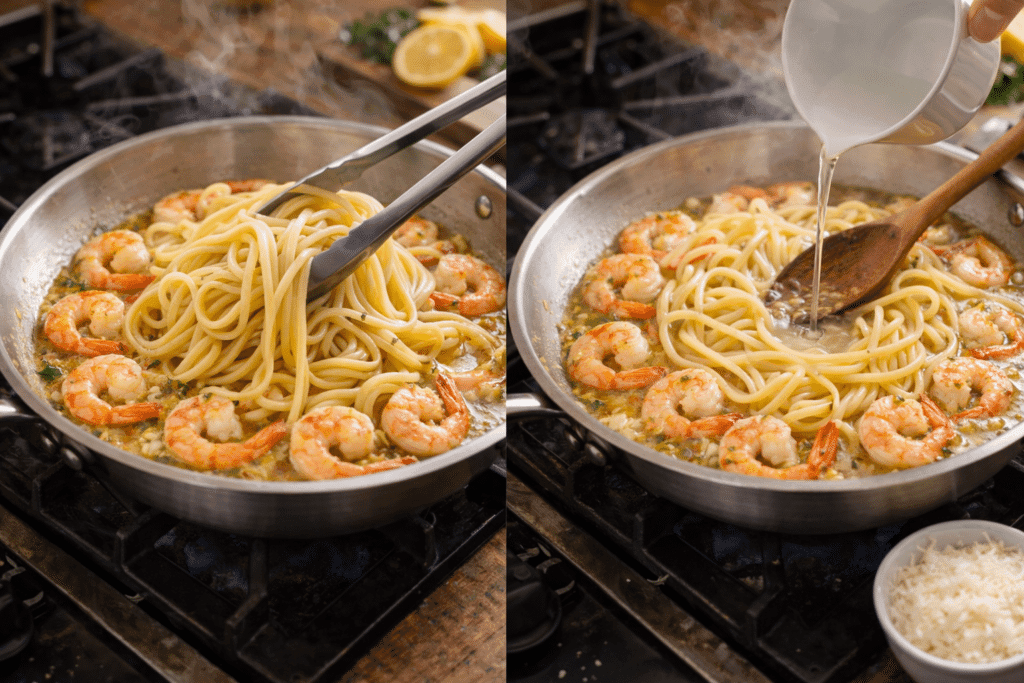
Step 6: Final check and serve
Taste the Shrimp Linguine and adjust seasoning if needed. Serve right away while the pasta stays warm and glossy. Finish each plate with freshly grated Parmesan cheese for a savory bite that ties everything together.
If you enjoy comforting baked pasta dishes like this Shrimp Linguine, there are plenty of other cozy meals worth adding to your dinner rotation. Recipes such as this creamy chicken lasagna bring the same layered comfort with a rich, satisfying finish, while a classic homemade beef lasagna offers a heartier option when you want something bold and filling. For nights when you crave something fun and slightly different, this taco spaghetti recipe delivers familiar flavors with a playful twist. And if creamy pasta is your comfort zone, you’ll likely also enjoy this easy chicken alfredo, which keeps things simple while still feeling special.
Serving Suggestions
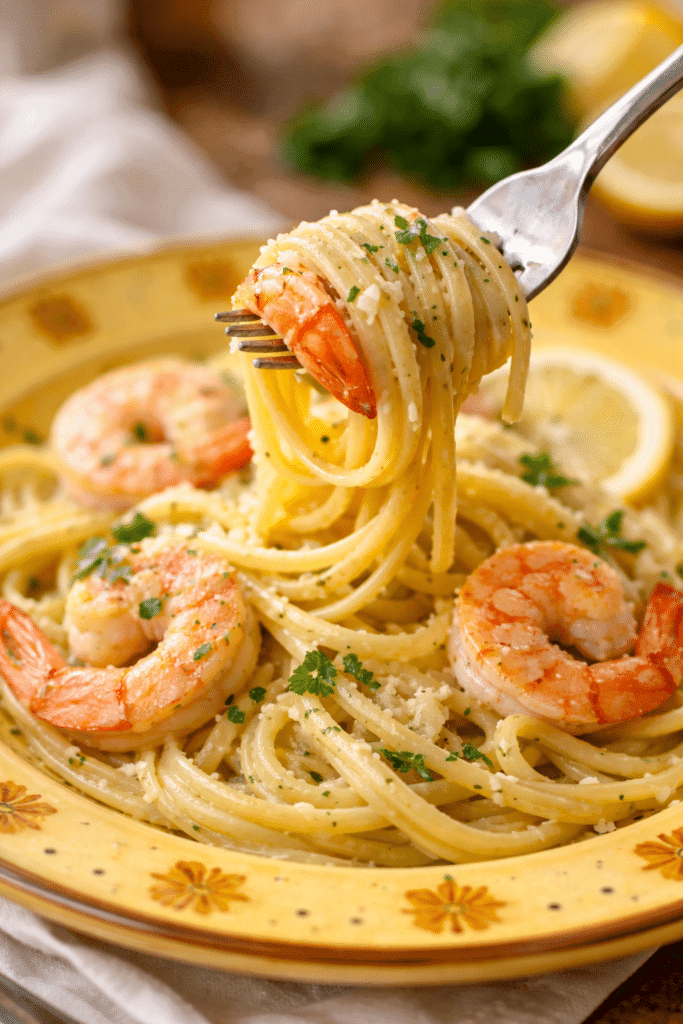
Shrimp Linguine shines when served simply, allowing the fresh flavors to stand out. I like to bring it straight from the skillet to the table while it’s still warm and glossy. A light sprinkle of freshly grated Parmesan adds a savory finish without overpowering the shrimp or lemon. For extra brightness, a small pinch of chopped parsley on top keeps the dish looking fresh and inviting.
This Shrimp Linguine pairs beautifully with a crisp green salad dressed with lemon vinaigrette. The light acidity balances the buttery pasta and keeps the meal feeling comfortable rather than heavy. Garlic bread or warm crusty bread also works well, especially for soaking up any extra sauce left on the plate.
For casual family dinners, I often serve this pasta on its own with simple sides, similar to other easy pasta dinners we enjoy during the week. When guests come over, it fits nicely into a relaxed menu with roasted vegetables or steamed asparagus on the side.
This dish works well for weeknights, date nights, or small gatherings. Its clean flavors and quick prep make Shrimp Linguine a dependable option whenever you want something comforting that still feels special and thoughtfully prepared.
Storage & Make-Ahead Tips
Shrimp Linguine tastes best when enjoyed fresh, but you can store leftovers with a few simple steps. Let the pasta cool completely, then transfer it to an airtight container. Store it in the refrigerator and enjoy it within two days for the best texture and flavor. When reheating, warm it gently over low heat or in short microwave intervals, stirring often. Add a small splash of water or broth to loosen the sauce and keep the shrimp from drying out.
This dish doesn’t work well for freezing because shrimp and pasta can turn tough after thawing. For make-ahead ease, you can prep ingredients in advance by cleaning the shrimp, chopping garlic, and zesting the lemon earlier in the day. Cooking everything fresh keeps Shrimp Linguine tender, saucy, and satisfying every time.
Skylar’s Touch
This Shrimp Linguine always brings everyone to the table a little faster in our house. I love how it feels comforting yet fresh, perfect for busy nights or slow weekends alike. I hope it finds a place in your kitchen too. If you make it, share it with someone you love and enjoy every bright, cozy bite together.
Frequently Asked Questions
Can I use frozen shrimp for Shrimp Linguine?
Yes, frozen shrimp work well for Shrimp Linguine as long as you thaw them fully before cooking. Pat them dry with paper towels to remove excess moisture. Dry shrimp cook more evenly and help the sauce stay rich instead of watery.
What size shrimp works best for Shrimp Linguine?
Medium to large shrimp are ideal for Shrimp Linguine. They stay juicy during cooking and hold their texture when tossed with hot pasta. Smaller shrimp can overcook quickly and lose their tender bite.
Can I add vegetables to Shrimp Linguine?
You can easily add vegetables like spinach, asparagus, or cherry tomatoes. Add tender vegetables near the end so they stay bright and fresh. This keeps the dish balanced without overpowering the shrimp.
How do I keep Shrimp Linguine from drying out?
Reserve some pasta water before draining and add it gradually when mixing the pasta with the sauce. This helps the sauce cling to the linguine and keeps the dish smooth, glossy, and well coated from first bite to last.
Shrimp Linguine Recipe
Shrimp Linguine made with tender shrimp, garlic, butter, and fresh lemon tossed with linguine for a fast, comforting dinner.
- Prep Time: PT10M
- Cook Time: PT15M
- Total Time: PT25M
- Yield: 4 servings
- Category: Dinner
- Method: Stovetop
- Cuisine: American
Ingredients
Linguine
Shrimp
Butter
Olive oil
Garlic
Fresh lemon juice
Lemon zest
Parsley
Parmesan cheese
Salt
Black pepper
Red pepper flakes
Instructions
Step 1: Bring a large pot of salted water to a boil and cook linguine until al dente.
Step 2: Melt butter and olive oil in a large skillet over medium heat.
Step 3: Add shrimp and garlic and cook until shrimp turn pink and opaque.
Step 4: Stir in lemon juice, lemon zest, parsley, seasoning, and red pepper flakes.
Step 5: Add cooked pasta and toss until coated, adding pasta water if needed.
Step 6: Serve immediately topped with Parmesan cheese.
Notes
Salt the pasta water generously for better flavor.
Reserve pasta water to help the sauce coat the linguine.
Cook shrimp just until pink to keep them tender.
Add vegetables like spinach or tomatoes if desired.
Nutrition
- Serving Size: 1 plate
- Calories: 520
- Sugar: 3g
- Sodium: 680mg
- Fat: 23g
- Saturated Fat: 9g
- Unsaturated Fat: 12g
- Trans Fat: 0g
- Carbohydrates: 62g
- Fiber: 3g
- Protein: 28g
- Cholesterol: 145mg
Keywords: shrimp linguine