
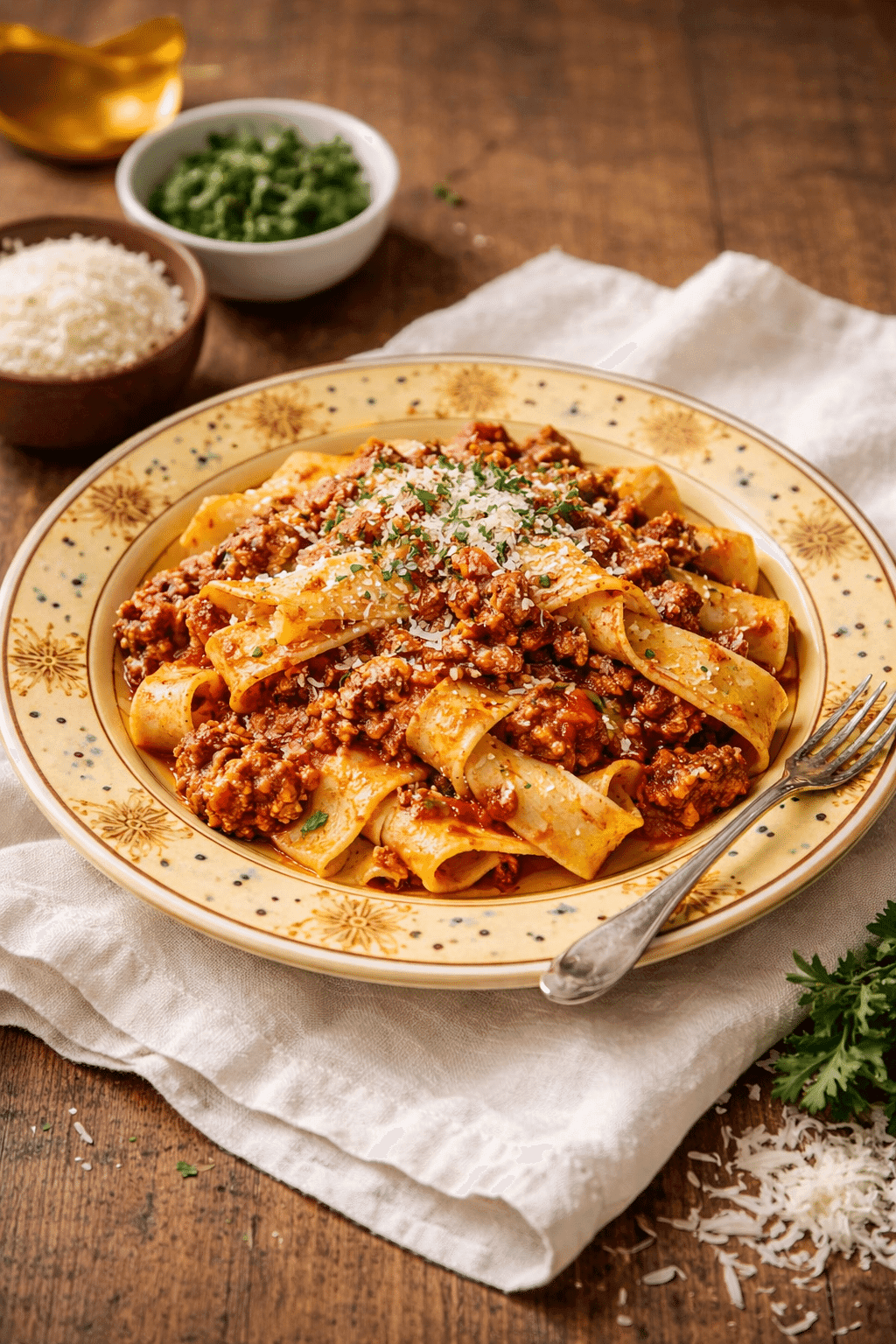
Bolognese is one of those recipes I return to when I want dinner to feel grounding and familiar.
I make this Bolognese on slow Sundays, when the house fills with that deep, savory aroma and everyone keeps wandering into the kitchen to check the pot.
The sauce turns rich and velvety after hours of gentle simmering, with tender beef and a balanced tomato base that clings beautifully to wide pasta.
I tested this Bolognese many times in my Los Angeles kitchen, adjusting the simmer and milk step until it felt just right.
It’s hearty without feeling heavy, comforting without being complicated, and always worth the wait.
When we want a cozy pasta night, this Bolognese never disappoints.
If you enjoy slow-simmered pasta sauces, you may also like this comforting approach used in other pasta dinners on the site, such as our family-style pasta recipes and classic Italian-inspired meals that focus on simple techniques and steady cooking.
This Bolognese fits right in with other comforting Italian pasta dishes, including stuffed pastas like cheese ravioli.
You’ll love this recipe because it delivers deep, slow-cooked flavor without complicated steps.
This Bolognese cooks low and steady, which builds a rich, hearty sauce you can trust every time.
The ingredients stay simple, yet the result feels comforting and special.
It works well for family dinners, relaxed weekends, or make-ahead meals, and it tastes even better the next day.
If you enjoy dependable, satisfying pasta dishes, this recipe fits right into your routine.
Table of Contents
What You Need to Make This Recipe
This Bolognese relies on a small group of familiar ingredients that work together through slow cooking. Each one plays a clear role in building flavor, balance, and texture, which is why the sauce tastes rich without feeling heavy.
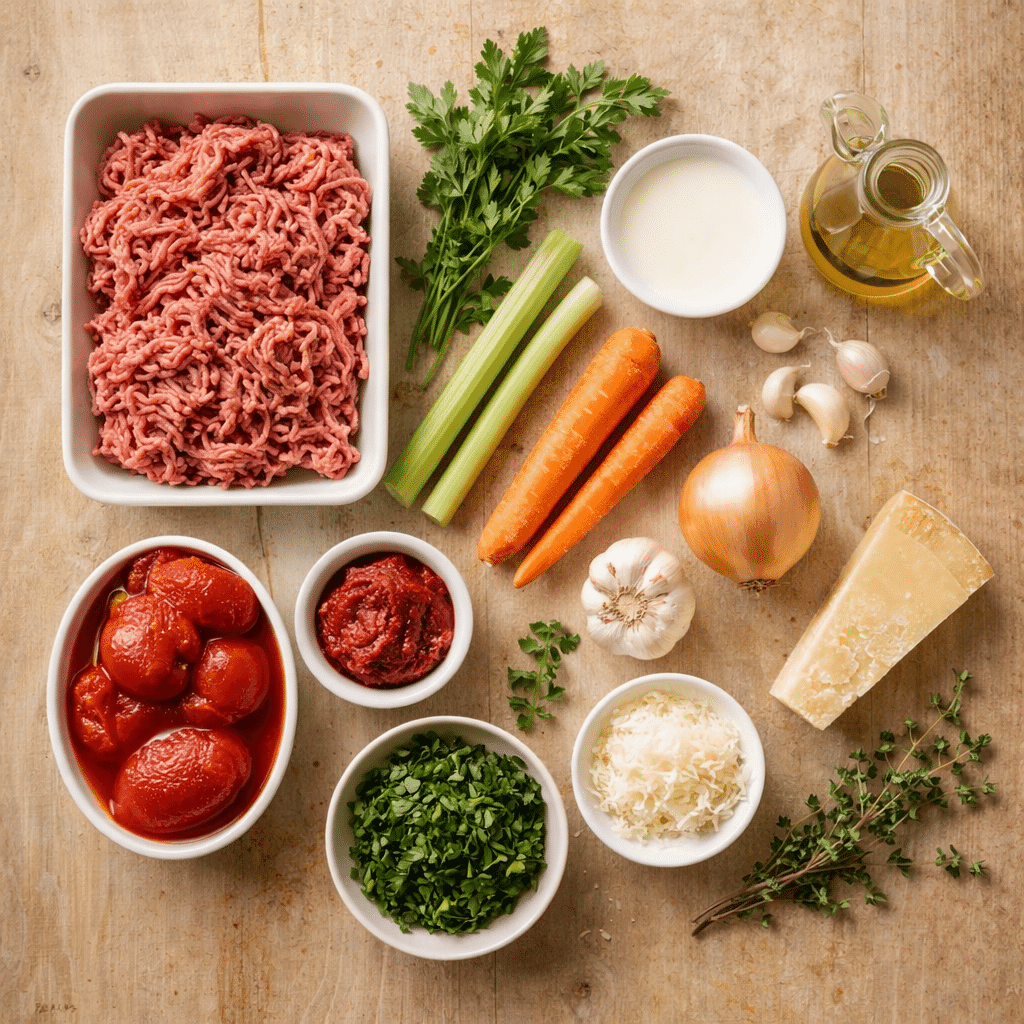
Olive oil creates a smooth starting base and allows the vegetables to soften gently while releasing their natural flavor.
Carrots add mild sweetness that keeps the sauce balanced during the long simmer.
Celery brings a quiet savory note that deepens the sauce without drawing attention.
Onion melts into the mixture, forming the foundation of Bolognese’s comforting taste.
Garlic adds warmth and aroma, supporting the meat without overpowering the sauce.
Ground beef provides body and richness, turning tender as it cooks slowly over time.
Dry white wine lifts the flavor and helps release browned bits for added depth.
Whole tomatoes give the sauce structure while keeping it fresh and well-rounded.
Tomato paste concentrates flavor, making the sauce thick and satisfying.
Whole milk softens acidity and gives Bolognese its signature smooth finish.
Bay leaf, salt, and black pepper tie everything together and keep the sauce steady and balanced.
Why does traditional Bolognese include milk?
Many home cooks hesitate to add milk to Bolognese, but it plays an important role in the sauce. Milk softens the acidity of the tomatoes and wine, which keeps the meat tender during the long simmer. It also gives Bolognese its smooth, rounded finish instead of a sharp tomato taste. You don’t taste the milk directly. Instead, it quietly balances the sauce and brings everything together. Adding it slowly at the end helps the sauce stay rich and cohesive without feeling heavy.
If you’re planning a comfort-filled pasta night, this Bolognese pairs perfectly with ideas from our homemade beef lasagna, which uses similar rich, slow-cooked flavors.
Pro Tips for Success
Start with proper browning. Let the ground beef cook undisturbed at first so it develops deep flavor. Stir too early and you lose that richness.
Keep the heat low and steady once the sauce starts simmering. Bolognese improves with time, and gentle heat allows the flavors to blend without drying the meat.
Stir occasionally, not constantly. This prevents sticking while still allowing the sauce to reduce naturally and thicken over hours.
Add the milk slowly and at the end. Pour it in a little at a time and stir gently so it blends smoothly into the sauce without separating.
Use wide pasta like pappardelle or tagliatelle. These shapes hold the thick sauce better than thin noodles and give you a balanced bite every time.
Season in layers, not all at once. Taste near the end and adjust salt and pepper so the sauce stays balanced after long cooking.
Let the sauce rest off the heat for a few minutes before serving. This helps the flavors settle and gives you a more cohesive texture.
Store leftovers properly. Bolognese tastes even richer the next day when the flavors have more time to come together.
How to Make Bolognese
This Bolognese comes together through simple steps that build flavor slowly and steadily. The process rewards patience, not speed, and each stage adds depth to the sauce. Follow these steps in order, and you’ll end up with a rich, comforting Bolognese that tastes balanced and full.
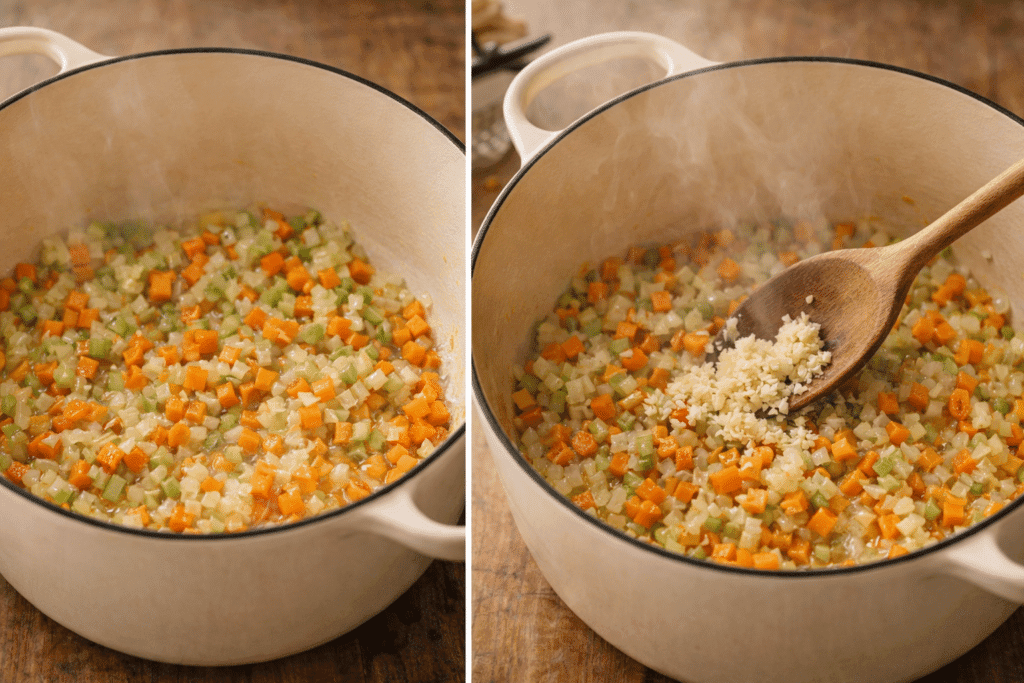
Step 1: Heat the olive oil in a large, heavy pot over medium-high heat. Add the chopped carrots, celery, and onion. Cook while stirring occasionally until the vegetables soften and release their aroma, about seven minutes. This mixture forms the flavor base of the sauce.
Step 2: Add the minced garlic and stir for about one minute. Keep it moving so it warms gently without browning, which keeps the flavor smooth rather than sharp.
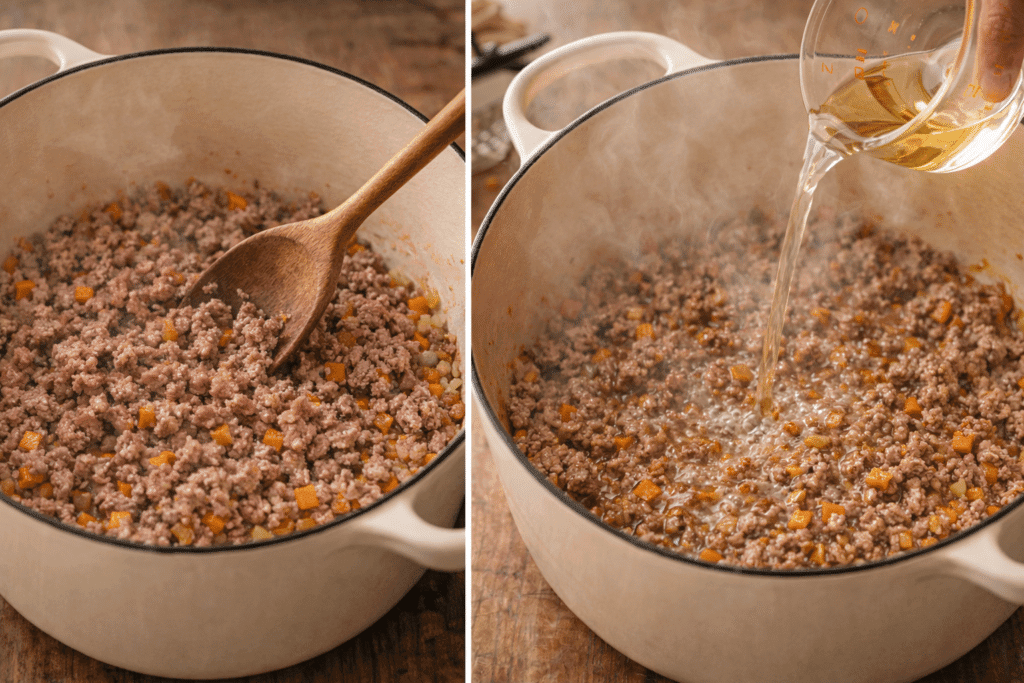
Step 3: Add the ground beef to the pot. Break it apart with a spoon and cook until fully browned. Let it sit briefly between stirs so it develops rich flavor instead of steaming.
Step 4: Pour in the white wine and scrape the bottom of the pot to loosen any browned bits. Let the wine simmer until it reduces slightly and the alcohol smell fades.
Step 5: Stir in the crushed tomatoes, tomato paste, and bay leaf. Reduce the heat to low and bring the sauce to a gentle simmer. Partially cover the pot.
Step 6: Let the sauce cook slowly for two hours, stirring occasionally to prevent sticking. This long simmer allows the meat to become tender and the sauce to thicken naturally.
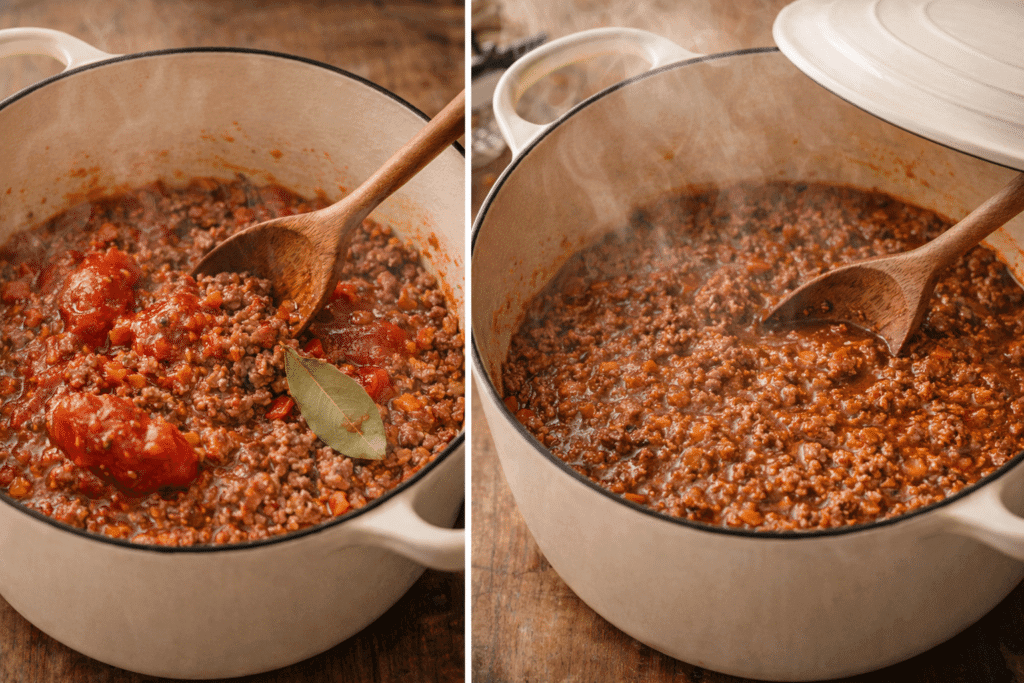
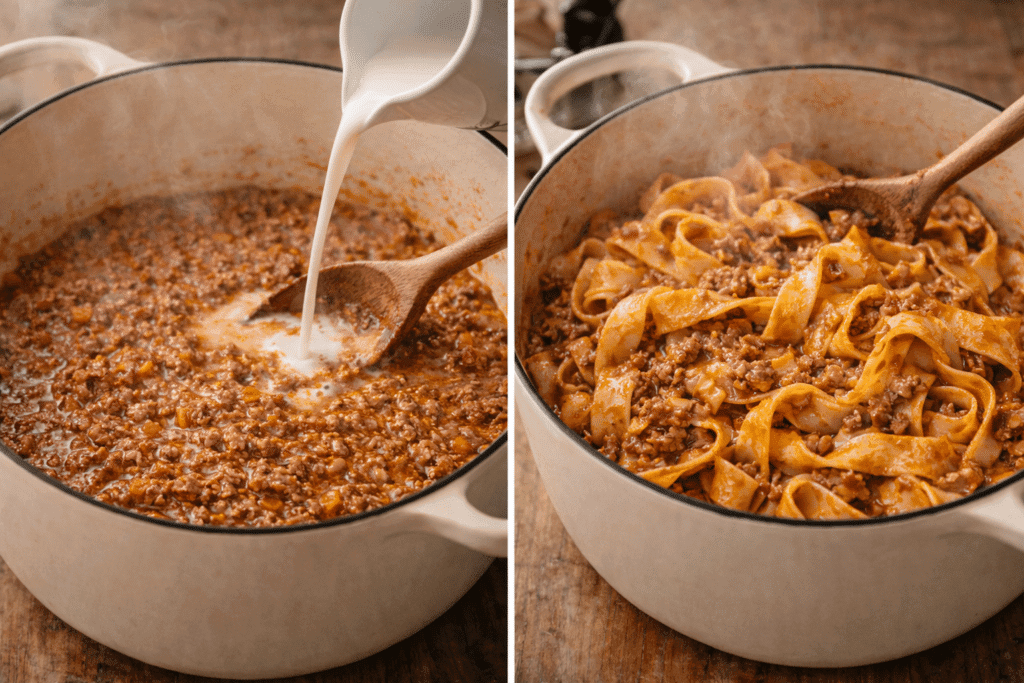
Step 7: Uncover and continue simmering for one more hour, stirring now and then, until the sauce looks rich and concentrated. Remove the bay leaf, then slowly stir in the milk until fully blended. Season with salt and black pepper.
Step 8: Cook the pasta in well-salted boiling water until just tender. Drain and add it directly to the sauce, tossing until every strand is coated. Serve warm with grated parmesan on top.
Serving Suggestions
Bolognese tastes best when you serve it in a way that highlights its slow-cooked texture and deep flavor.
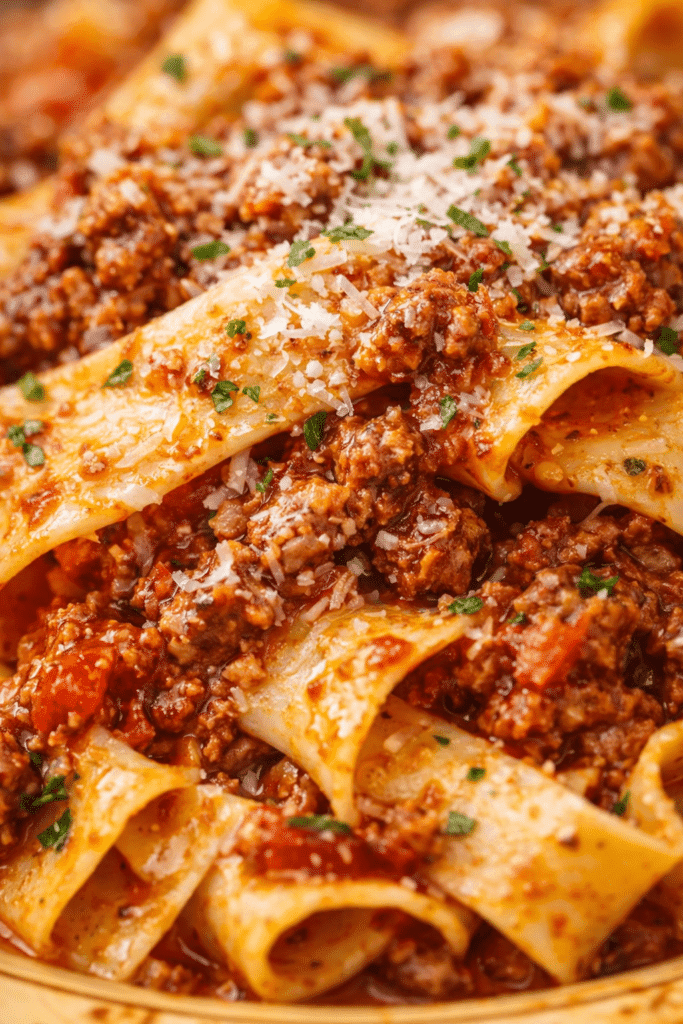
Wide pasta shapes like pappardelle or tagliatelle work especially well because the thick sauce coats each strand evenly, giving you a balanced bite every time.
Spoon the sauce generously over the pasta rather than drowning it, then toss gently so everything stays well combined.
Finish with freshly grated parmesan, which melts slightly and adds a savory finish without overpowering the sauce.
For contrast, pair the dish with a simple green salad dressed lightly with olive oil and vinegar.
Crusty bread also fits nicely on the table and helps soak up any remaining sauce.
This Bolognese works for casual family dinners, weekend meals, or when you want a comforting pasta that feels steady and satisfying.
The Manicotti recipe is a strong, highly relevant internal link for your Bolognese recipe, but it needs to be placed naturally and strategically to help Rank Math and user flow.
Storage & Make-Ahead Tips
Let the Bolognese cool completely before storing to keep the texture smooth and the flavor steady.
Store leftovers in an airtight container in the refrigerator for up to four days. The sauce often tastes richer the next day as the flavors settle.
For longer storage, freeze the sauce on its own for up to three months. Portion it out so reheating stays easy and controlled.
Reheat gently on the stove over low heat, stirring occasionally. Add a small splash of water or milk if the sauce looks too thick.
If you plan ahead, make the Bolognese a day early and cook fresh pasta just before serving for the best result.
Sienna’s Touch
This Bolognese always brings our kitchen together, especially on slow evenings when everyone lingers near the stove waiting for dinner. I love how a simple pot of sauce can turn into something comforting and shared. I hope this recipe finds a place in your home and becomes one you return to when you want a meal that feels warm, familiar, and made with care.
Frequently Asked Questions
What is the difference between Bolognese and meat sauce?
Bolognese cooks slowly and focuses on meat, milk, and a small amount of tomato, which creates a richer and more balanced sauce. Typical meat sauce relies more heavily on tomatoes and cooks faster, resulting in a lighter texture and sharper flavor.
How long should Bolognese simmer for best flavor?
Bolognese needs at least two to three hours of gentle simmering. This slow process allows the meat to soften and the sauce to thicken naturally, giving it depth and a smooth finish.
Can I make Bolognese ahead of time?
Yes, Bolognese works very well as a make-ahead sauce. After resting overnight in the refrigerator, the flavors become even more developed and cohesive.
What pasta works best with Bolognese?
Wide pasta like pappardelle or tagliatelle works best because it holds the thick sauce evenly, giving you a balanced bite instead of excess sauce pooling at the bottom.
Classic Bolognese Recipe
This classic Bolognese is slow-simmered until rich, hearty, and deeply comforting. It uses simple ingredients, steady cooking, and finishes with milk for a smooth, balanced sauce. Perfect for family dinners, make-ahead meals, and cozy pasta nights.
- Prep Time: PT20M
- Cook Time: PT3H
- Total Time: PT3H20M
- Yield: 6 servings 1x
- Category: Dinner
- Method: Simmering
- Cuisine: Italian
Ingredients
2 tablespoons olive oil
2 carrots, chopped
1 celery stalk, chopped
1 onion, chopped
6 cloves garlic, minced
1½ pounds ground beef (80/20)
1 cup dry white wine
1 (28-ounce) can whole tomatoes, crushed
1 (6-ounce) can tomato paste
1 bay leaf
1 cup whole milk, room temperature
2 teaspoons salt
1 teaspoon ground black pepper
1 pound pappardelle or tagliatelle pasta
½ cup freshly grated parmesan cheese
Instructions
Step 1: Heat olive oil in a large pot and cook carrots, celery, and onion until tender.
Step 2: Add garlic and cook briefly until fragrant.
Step 3: Add ground beef and cook until fully browned.
Step 4: Pour in white wine and scrape up browned bits from the pot.
Step 5: Stir in tomatoes, tomato paste, and bay leaf, then reduce heat to low.
Step 6: Simmer partially covered for two hours, stirring occasionally.
Step 7: Uncover and simmer one more hour, then stir in milk, salt, and pepper.
Step 8: Cook pasta, combine with sauce, and serve topped with parmesan.
Notes
For best flavor, make the sauce a day ahead and reheat gently.
Freeze the sauce without pasta for up to three months.
Wide pasta works best to hold the thick sauce.
Nutrition
- Serving Size: 1 bowl
- Calories: 620
- Sugar: 9
- Sodium: 780
- Fat: 28
- Saturated Fat: 12
- Unsaturated Fat: 14
- Trans Fat: 0
- Carbohydrates: 58
- Fiber: 6
- Protein: 34
- Cholesterol: 105
Keywords: Bolognese, pasta, Italian dinner, meat sauce