
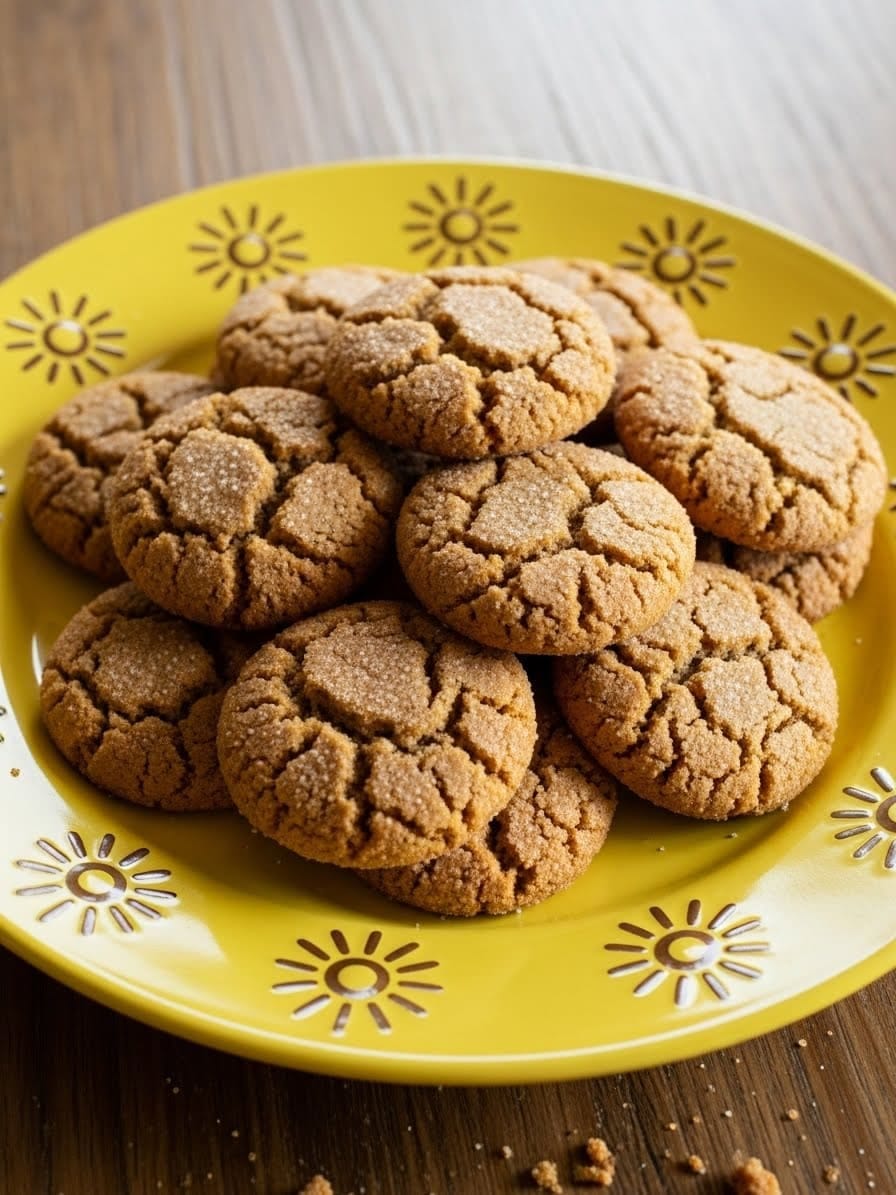
Molasses Cookies have always held a special place in my kitchen. I still remember the first time I baked them on a chilly December afternoon, the scent of cinnamon and ginger filling every corner of our Los Angeles home. Daniel walked in from work, our daughters Hannah and Jessica ran toward the oven, and suddenly, that simple batch of molasses cookies turned into a family tradition. These cookies are soft, chewy, and rich with that unmistakable sweetness only molasses can bring — the kind that sticks to your memory as much as it sticks to your fingers.
I’ve tested countless batches in my little home test kitchen, trying to balance the perfect spice blend, the right depth of molasses flavor, and just the right amount of chew. Over time, I realized that the secret lies in using unsulphured molasses, chilling the dough for a few hours, and baking them just until the edges set. They cool into the perfect balance of crisp exterior and soft, gooey center.
Whether you’re baking for the holidays or simply craving something comforting, molasses cookies offer that cozy, nostalgic taste of home. They’re easy enough for weeknight baking, yet special enough to earn a permanent place on your Christmas cookie tray.
Table of Contents
What’s The Difference Between Molasses Cookies and Gingersnaps?
When I first started baking molasses cookies, I thought they were just a softer version of gingersnaps. But once I started testing recipes side by side in my home kitchen, I discovered that while they share the same spice family — cinnamon, ginger, and cloves — they’re completely different in texture and taste. Gingersnaps get their signature “snap” from longer bake times and less moisture, while molasses cookies stay tender thanks to a higher ratio of sugar, butter, and, of course, rich molasses. That molasses doesn’t just add flavor — it locks in moisture, giving each cookie that chewy, melt-in-your-mouth center that my girls beg for every December.
In fact, molasses cookies are the cozier, more comforting cousin of the crisp gingersnap. They carry a deeper sweetness, a darker color, and a softness that makes them perfect for pairing with milk or hot cocoa. While gingersnaps are made to crack and crunch, molasses cookies are meant to bend without breaking — a tiny but crucial distinction that changes everything about the baking process.
So, if you’re chasing that warm holiday aroma with a cookie that’s soft in the center yet lightly crisp at the edges, reach for molasses instead of shortening your bake time. It’s a small shift, but one that transforms a basic ginger cookie into something truly nostalgic.
Essential Ingredients for Chewy Molasses Cookies
The magic of molasses cookies lies in their ingredients. Every component contributes to that chewy, spiced texture that makes them so irresistible. After years of testing recipes in my kitchen, I’ve learned that success starts with the right balance of moisture, spice, and fat. You can’t rush these ingredients — they’re what give the cookies that signature deep color, soft crumb, and warm aroma that fills your home the moment you open the oven door.
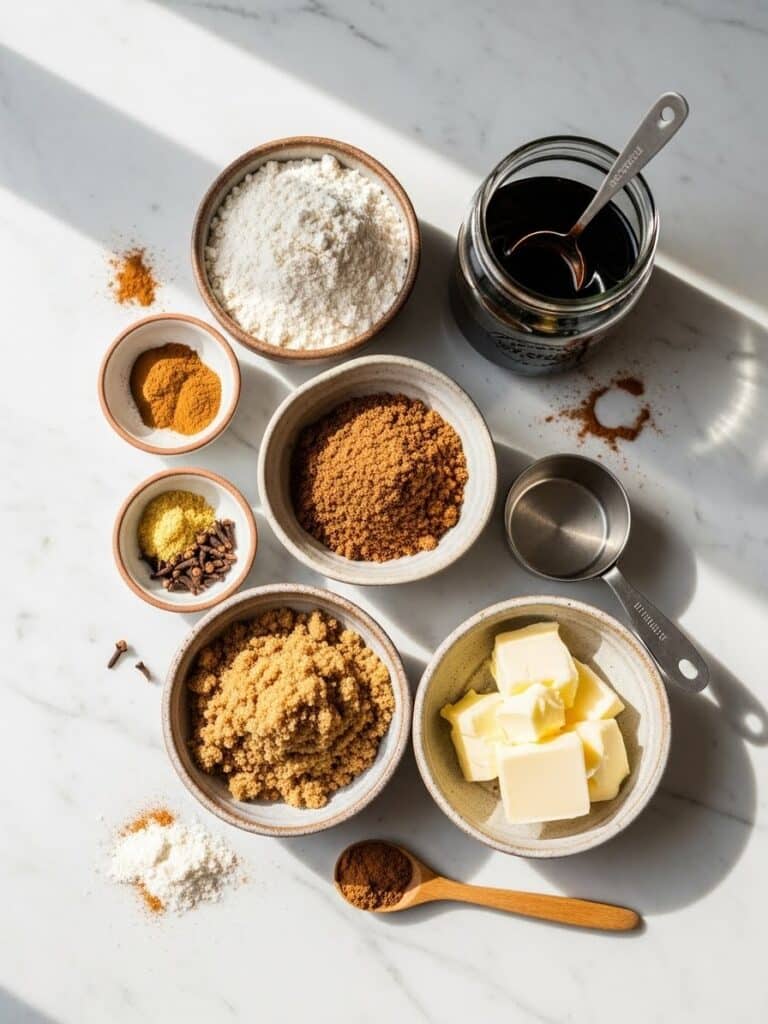
Molasses is the heart of this recipe. It provides that unmistakable rich sweetness and helps the cookies stay soft long after they’ve cooled. The combination of butter and brown sugar gives each bite a caramelized edge, while a careful blend of cinnamon, ginger, and cloves creates a layered flavor that tastes like the holidays. Baking soda lifts the dough just enough for a pillowy texture, and a touch of salt balances the sweetness perfectly.
What is a good substitute for molasses?
If you ever find yourself mid-bake without molasses, don’t panic — there are a few reliable substitutes that will keep your cookies on track. Dark corn syrup or honey can mimic molasses’ sticky texture, though they’ll yield a lighter flavor. Maple syrup is another excellent option if you want a more subtle sweetness with earthy undertones. For a closer match, mix brown sugar with a teaspoon of water or coffee; the molasses in the sugar will add both moisture and color.
Still, nothing truly replicates the depth that unsulphured molasses brings. It’s the key to that soft, chewy texture and warm color that sets molasses cookies apart. If you want to capture that authentic, nostalgic flavor, always keep a bottle in your pantry — you’ll find endless uses beyond cookies, from gingerbread to marinades.
Chill The Cookie Dough For The Chewiest Cookies
If there’s one secret that transforms molasses cookies from good to bakery-quality amazing, it’s chilling the dough. The first few times I skipped this step, my cookies spread too quickly, losing their shape and that perfect chewy texture I love. But once I let the dough rest — even for just an hour — the results were remarkable. Chilling gives the flour time to hydrate and allows the butter to firm up, which means your cookies will hold their shape and bake into soft, thick rounds instead of flattening out.
When the dough chills, the flavors deepen too. The molasses mingles with the spices, creating a richer, almost caramel-like taste. I often prepare the dough the night before, cover it tightly, and let it rest in the refrigerator overnight. The next day, the aroma when I scoop the chilled dough is pure heaven — warm, spicy, and sweet. If you’re short on time, even a quick 60-minute chill can make a noticeable difference.
The science behind the chill
Chilling doesn’t just affect shape; it also changes texture and flavor. As the dough cools, the sugar absorbs more moisture, preventing the cookies from drying out while baking. The fat in the butter solidifies, so the cookies spread more slowly, producing that thick, chewy center every baker dreams of. It’s a small step with a huge payoff, especially for molasses cookies where richness and depth matter most.
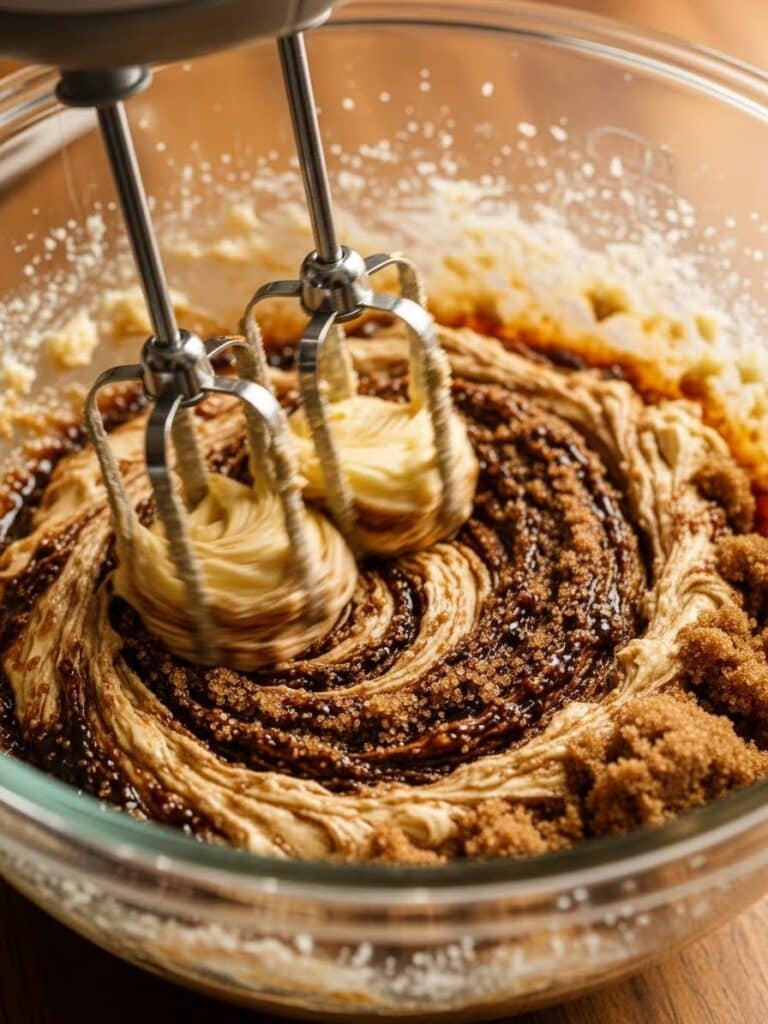
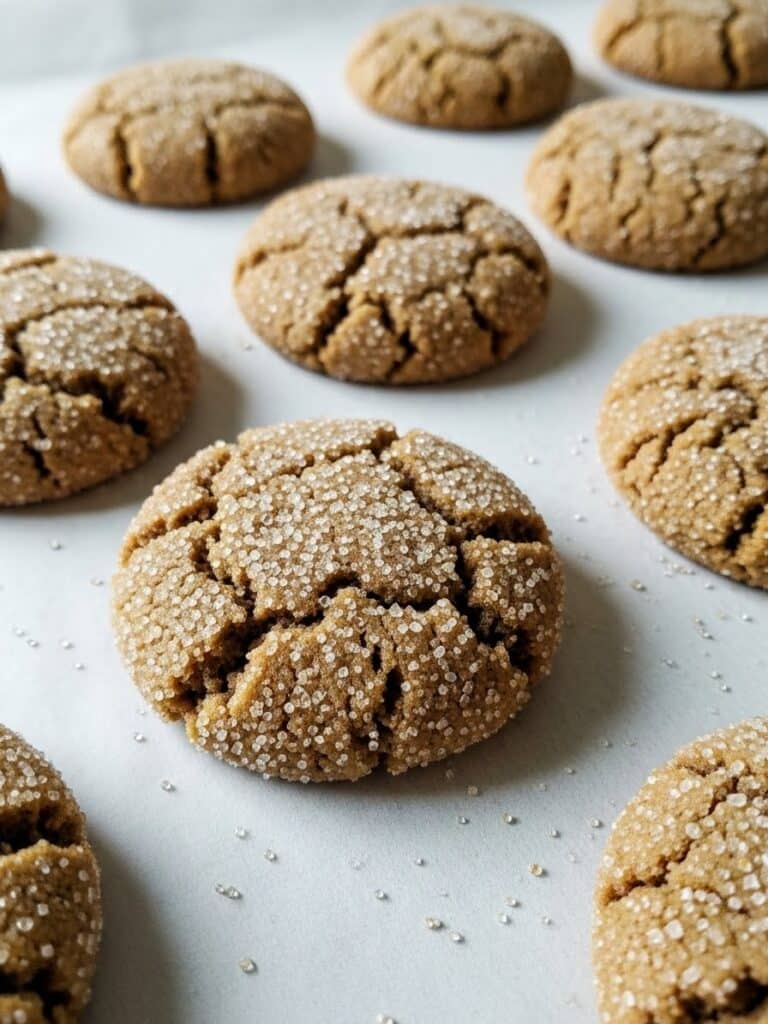
For best results, roll the chilled dough into balls just before baking, then coat each one in granulated sugar. This creates a delicate, sparkly crust while the inside stays soft and moist. Once you see those classic cracks forming on top, you’ll know they’re ready.
Pro Tips for Making Soft Molasses Cookies
After baking dozens of batches over the years, I’ve found that a few small techniques make all the difference in achieving the perfect soft molasses cookies. These aren’t complicated tricks — they’re simple habits that guarantee a tender, chewy texture every time.
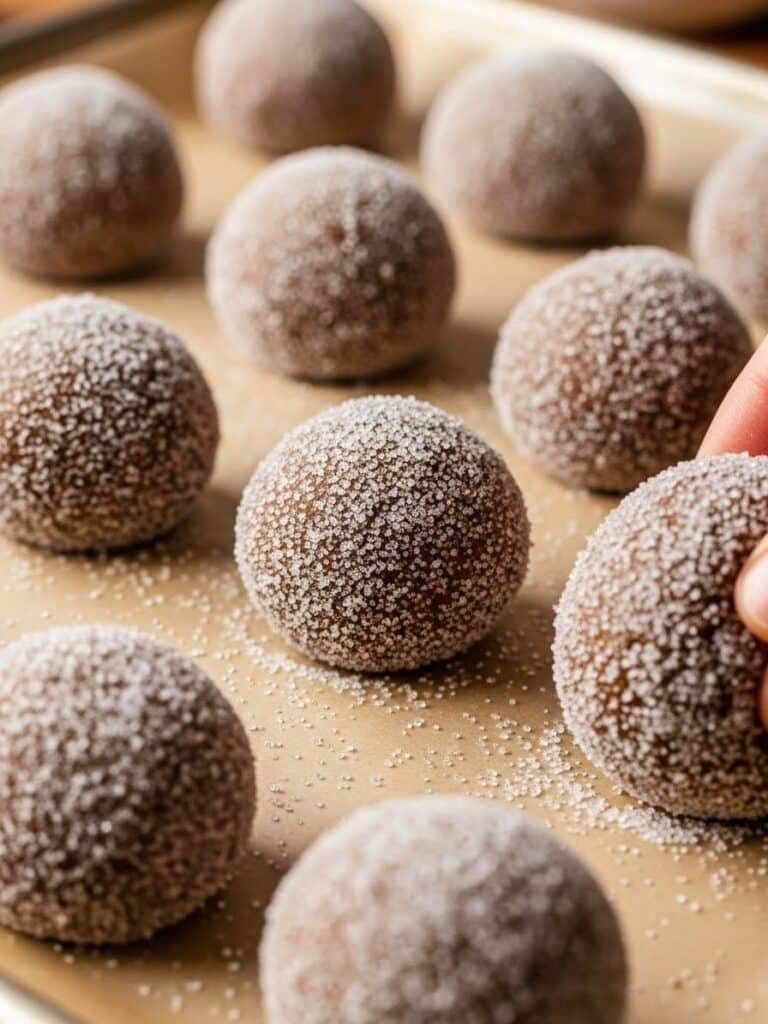
First, always cream your butter and sugar thoroughly. This step builds the foundation for that signature soft interior and slightly crisp edge. When butter and sugar are beaten until light and fluffy, tiny air pockets form, helping your cookies rise just enough without turning cakey. It usually takes about three minutes on medium speed with a hand or stand mixer. Skipping this step can lead to dense cookies that don’t bake evenly.
Next, avoid overbaking. Molasses cookies continue to set as they cool, so pull them out of the oven when the edges are just beginning to brown, and the centers still look a little soft. That’s the secret to achieving a perfectly chewy center. Let them cool right on the baking sheet to firm up gently — if you move them too soon, they’ll break apart.
Add a personal touch
This is where you can make these cookies your own. Try stirring in diced candied ginger for bursts of spice, or replace ground ginger with freshly grated for an extra punch. If you prefer a bolder flavor, add ¼ teaspoon of black pepper — it gives the cookies a sophisticated warmth that pairs beautifully with coffee.
Finally, for a touch of sparkle, roll each dough ball in granulated sugar before baking. It creates a delicate crust that catches the light and adds a satisfying contrast to the soft, spiced interior.
Once you start using these pro tips, your molasses cookies will consistently turn out bakery-worthy — thick, chewy, and packed with that deep molasses flavor.
How To Make Molasses Cookies
Baking molasses cookies is as comforting as eating them — it’s a process that fills your kitchen with warmth and a nostalgic holiday aroma. Every step contributes to that signature chewy texture and rich flavor that makes these cookies unforgettable.
Start by preheating your oven to 350°F (175°C) and lining two baking sheets with parchment paper. In a medium bowl, whisk together the flour, baking soda, salt, and spices — cinnamon, ginger, and cloves — to create your dry mix. In another large bowl, beat the softened butter, brown sugar, and molasses using an electric mixer until the mixture becomes creamy and light, about three minutes. The molasses gives the batter its deep golden color and that unmistakable rich scent.
Add the egg and vanilla extract, mixing just until smooth. Gradually add the dry ingredients, blending on low speed until a soft dough forms. Be careful not to overmix — that can toughen the texture. If you have the time, chill the dough for at least one hour or up to 48 hours to intensify the flavor and improve the chewiness.
Once the dough is ready, use a small scoop or tablespoon to roll 1½ to 2-inch balls. Coat each ball in granulated sugar — this will create that iconic crackly crust when baked. Place them two inches apart on your prepared baking sheets. Bake for 12 to 14 minutes, just until the edges are set and the tops are puffed and slightly cracked.
The key is restraint: don’t overbake. The centers will look soft, but they’ll firm up as they cool on the pan. This is what gives molasses cookies their irresistible chewiness and glossy finish. Once cooled, store them in an airtight container at room temperature for up to a week.
Troubleshooting Tips
If your cookies spread too much, your dough may have been too warm — chill it longer next time. For crispier edges, bake an extra minute; for extra softness, reduce the baking time slightly. Always let them cool on the pan before moving — they’re delicate when warm but firm up beautifully once cooled.
Make Ahead and Storage
One of the best things about molasses cookies is how wonderfully they store — they actually taste better a day or two after baking. The flavors of molasses and spice deepen over time, giving you a richer, more aromatic cookie with every bite. That makes them a baker’s dream for the holidays or any busy week when you want to prep ahead.
If you plan to make the dough in advance, chill it in an airtight container for up to 48 hours before baking. You can also freeze the raw dough balls on a parchment-lined baking sheet until firm, then transfer them to a freezer bag or airtight container. When you’re ready to bake, simply roll them in sugar and bake straight from the freezer — just add an extra minute or two to the baking time.
How to store baked cookies
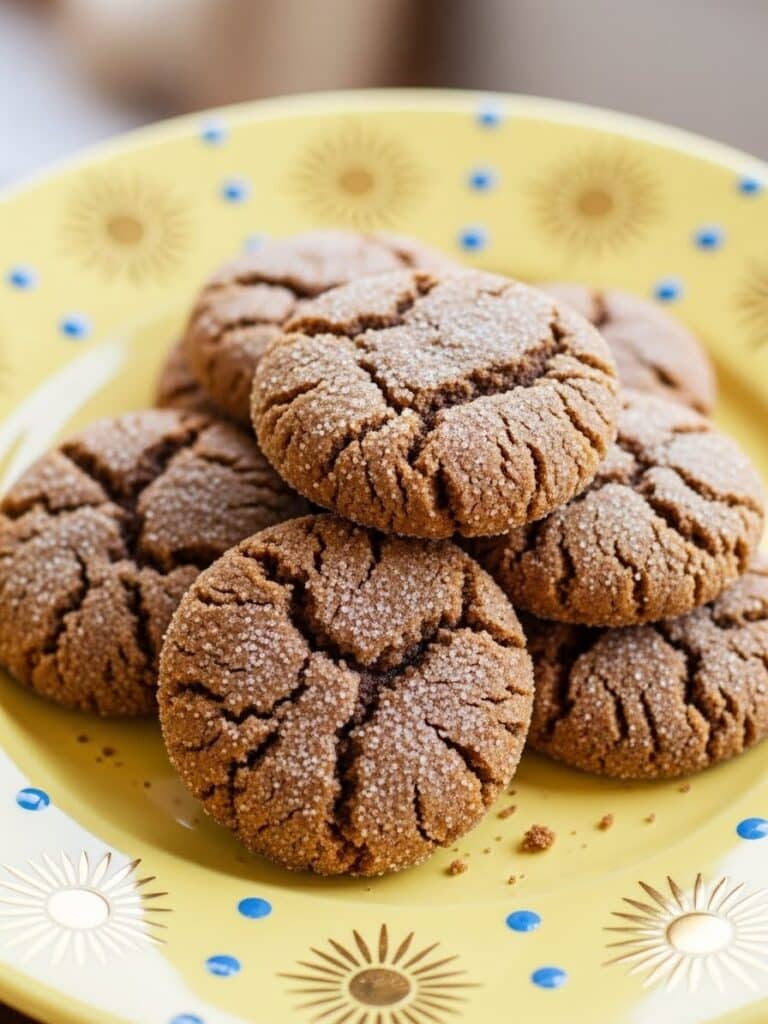
Once baked and cooled completely, store your molasses cookies in an airtight container at room temperature. They’ll stay soft and chewy for about a week — though in our house, they rarely last that long. If you prefer a little crispness, leave the lid slightly ajar for a day.
For longer storage, freeze the baked cookies in layers separated by parchment paper. They’ll keep beautifully for up to three months. To serve, thaw them at room temperature or warm them for a few seconds in the microwave to bring back that just-baked softness.
These cookies are perfect for gift boxes, dessert trays, or just a sweet afternoon treat with coffee. The flavor only improves over time — proof that some things really do get better with a little patience.
Get ready to satisfy your sweet tooth with a variety of delicious cookie recipes that are easy to make and perfect for any occasion. From quick and simple No-Bake Cookies to classic Molasses Cookies and rich Cream Cheese Cookies, there’s a treat for every craving. Don’t miss the fudgy goodness of Chocolate Crinkle Cookies — all tried-and-true favorites you’ll want to bake again and again.
FAQ Section: Molasses Cookies
1. What makes the best molasses cookies?
The best molasses cookies are soft in the center, slightly crisp around the edges, and packed with a warm, spiced aroma. The secret lies in using unsulphured molasses, which adds depth without bitterness, and a balance of butter and brown sugar to create that chewy texture. Chilling the dough is essential for thick, bakery-style cookies, while rolling the dough balls in sugar gives that signature crinkly top. For consistent results, bake one sheet at a time and remove the cookies when the centers still look slightly soft. They’ll finish setting as they cool — leaving you with the perfect, melt-in-your-mouth bite.
2. What does molasses do to a cookie?
Molasses acts as both a sweetener and a softener. Its rich, sticky texture keeps cookies moist, while its natural acidity reacts with baking soda to create a tender crumb. It also imparts that deep caramel color and signature flavor that makes molasses cookies stand out from other spiced treats. Because molasses holds onto moisture so well, these cookies stay soft for days — even when stored at room temperature. That’s why they’re ideal for gifting or make-ahead holiday baking.
3. What’s the difference between gingerbread cookies and molasses cookies?
While gingerbread and molasses cookies share similar ingredients, their textures and purposes differ. Gingerbread cookies are firmer and often rolled thin for cutouts, perfect for decorating. Molasses cookies, on the other hand, are soft, chewy, and meant to be enjoyed plain or dusted with sugar. They typically contain more fat and molasses, which gives them their tender texture and rich flavor. Think of gingerbread as festive and decorative — and molasses cookies as cozy and comforting.
4. Should you refrigerate molasses cookie dough before baking?
Absolutely — chilling is the key to chewy, flavorful cookies. Refrigerating the dough for at least one hour allows the ingredients to meld and the fats to solidify, preventing the cookies from spreading too thin. If you have extra time, chill the dough overnight to deepen the flavor and color even more. For impromptu baking, even a short chill can make a noticeable difference in the final texture and appearance of your molasses cookies.
Molasses Cookies
These soft and chewy molasses cookies are a nostalgic holiday classic. Deeply flavored with warm spices, unsulphured molasses, and brown sugar, they stay moist and tender for days—perfect for make-ahead baking or cookie exchanges.
- Prep Time: 15 minutes
- Cook Time: 14 minutes
- Total Time: 29 minutes
- Yield: 24 cookies 1x
- Category: Dessert
- Method: Baking
- Cuisine: American
Ingredients
2½ cups all-purpose flour (300g)
2 teaspoons baking soda
¾ teaspoon salt
1½ teaspoons ground cinnamon
1 teaspoon ground ginger
½ teaspoon ground cloves
¾ cup unsalted butter, softened (170g)
¾ cup packed light brown sugar (165g)
⅓ cup unsulphured molasses (80ml)
1 large egg, room temperature
2 teaspoons vanilla extract
¼ cup sanding or granulated sugar (50g)
Instructions
1. Preheat the oven to 350°F (175°C). Line two baking sheets with parchment paper.
2. Whisk together flour, baking soda, salt, cinnamon, ginger, and cloves in a medium bowl.
3. In a large bowl, beat butter, brown sugar, and molasses with an electric mixer until light and fluffy (about 3 minutes).
4. Add the egg and vanilla extract; mix until combined.
5. Gradually add the dry ingredients, mixing on low speed until just incorporated.
6. Cover and chill the dough for at least 1 hour (or up to 48 hours) for chewier cookies.
7. Scoop 1½ to 2-inch balls of dough, roll them in granulated sugar, and place them 2 inches apart on prepared baking sheets.
8. Bake one sheet at a time for 12–14 minutes until edges are set and tops are puffed and cracked.
9. Cool completely on the pans before transferring to a container.
Notes
Cool the cookies on the baking sheet so the bottoms firm up before moving.
Add a flavor twist with ¼ tsp black pepper or ⅓ cup diced candied ginger.
Store in an airtight container for up to 1 week or freeze baked cookies for 3 months.
For best results, chill dough overnight for maximum chewiness.
Nutrition
- Serving Size: 1 cookie
- Calories: 140
- Sugar: 12g
- Sodium: 85mg
- Fat: 6g
- Saturated Fat: 3.5g
- Unsaturated Fat: 2.5g
- Trans Fat: 0g
- Carbohydrates: 19g
- Fiber: 0.5g
- Protein: 1.5g
- Cholesterol: 20mg
Keywords: molasses cookies, chewy molasses cookies, holiday cookies, spiced cookies, old-fashioned cookies